
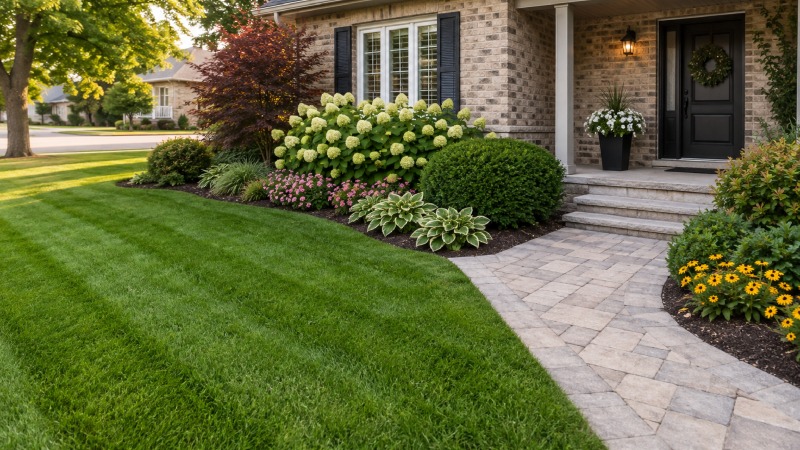
A home is more than the building itself. Lawns, gardens, walkways, edges, drainage areas, and other exterior spaces all contribute to how a property looks, functions, and holds up over time. When these areas receive regular attention, homeowners are better positioned to notice small concerns before they become more difficult to manage.
In communities such as Fergus and Elora, changing weather also means outdoor maintenance needs shift throughout the year. Grass growth, falling leaves, winter conditions, spring moisture, and summer heat each place different demands on a property. Consistent property maintenance provides a practical way to respond to those changes instead of waiting for visible problems to accumulate.
Preventive Care Helps Keep Small Problems Manageable
Outdoor maintenance is often viewed mainly as a matter of appearance. While curb appeal is important, routine attention also provides an opportunity to identify developing issues.
An overgrown garden bed, for example, can become considerably harder to restore after an extended period of neglect. Lawn edges can lose their definition, weeds can spread, and organic debris can collect around exterior areas. Walkways and frequently used outdoor spaces can also become less convenient when vegetation or seasonal debris is allowed to build up.
Regular property upkeep breaks these larger jobs into smaller, more manageable tasks. Cutting grass before it becomes excessively long, clearing leaves before they accumulate, and maintaining garden beds throughout the growing season can reduce the amount of corrective work needed later.
This preventive approach does not mean every outdoor area needs constant attention. Instead, it means addressing maintenance needs at appropriate intervals so minor concerns are less likely to develop into significant ones.
Consistency Supports Curb Appeal and Everyday Use
A well-kept exterior can influence the overall impression of a home. Defined lawn edges, maintained gardens, clear walkways, and tidy exterior areas create a sense that the property is being cared for consistently.
That appearance can matter when protecting property value, particularly when a homeowner is preparing to sell. However, curb appeal also has everyday benefits. Outdoor areas that are kept under control are generally easier for residents and visitors to use.
Routine lawn and garden care helps prevent vegetation from interfering with paths, gathering spaces, entrances, and other frequently used parts of the property. Seasonal cleanup can remove leaves, branches, and other debris that make exterior spaces look neglected or create additional work if left in place.
Residential property maintenance therefore has both a visual and practical purpose. It helps maintain the condition homeowners see from the street while supporting the spaces they actually use.
Seasonal Changes Require Different Priorities
Outdoor properties rarely need exactly the same work throughout the year. A useful maintenance routine changes with the seasons.
Spring often involves clearing material left behind by winter and assessing outdoor areas as active growth returns. Lawns and gardens may need renewed attention, while walkways, borders, and other exterior features can be checked for issues that developed during colder weather.
Summer typically brings more frequent lawn upkeep and garden maintenance. Rapid plant growth can quickly make previously tidy areas look overgrown, making consistency particularly important during this period.
Autumn shifts the focus toward leaf removal, garden cleanup, and preparing exterior spaces for colder conditions. Keeping debris under control can make the transition into winter easier and reduce the amount of accumulated material waiting when spring arrives.
This approach to seasonal property maintenance helps homeowners focus their effort where it is most useful. Rather than treating outdoor care as a single annual project, they can respond to changing conditions throughout the year.
A Complete Property Benefits From Coordinated Care
Individual outdoor tasks are often connected. Grass cutting affects the appearance of lawn edges. Garden maintenance influences how borders and surrounding spaces look. Shrub growth can affect walkways, while debris can spread from one part of a property to another.
Looking at these areas as parts of a complete exterior can make maintenance more effective. It also makes it easier to establish a routine instead of responding to each problem separately after it becomes noticeable.
Hardscaped areas deserve consideration as well. Paths, patios, borders, and other constructed features are part of the property’s usable exterior. Keeping surrounding vegetation and debris under control helps these areas remain accessible and visually integrated with the rest of the yard.
Year-round property care is therefore less about completing isolated chores and more about maintaining a consistent standard across the property.
When Recurring Maintenance Becomes Difficult to Manage
The challenge for many homeowners is not understanding that outdoor maintenance matters. It is finding enough time to complete recurring tasks consistently.
Work schedules, travel, large properties, physical limitations, and a lack of suitable equipment can all make regular exterior upkeep difficult. A homeowner may be able to complete occasional projects while still struggling to maintain lawns, gardens, walkways, edges, and seasonal debris on a dependable schedule.
In those circumstances, using a local provider for professional property maintenance can be a practical way to keep recurring outdoor work from falling behind. The purpose is not necessarily to transform the property, but to maintain a consistent level of care when handling every task independently is no longer realistic.
Whether maintenance is completed personally or with outside help, regularity is what matters. A manageable schedule makes it easier to notice changes, respond to seasonal conditions, and prevent a growing list of unfinished tasks.
For homeowners in Fergus and Elora, that consistency can be particularly valuable as outdoor conditions change throughout the year. Maintaining lawns, gardens, walkways, edges, and other exterior areas helps preserve curb appeal while keeping the property functional for everyday use.
Viewed as preventive care rather than a series of chores, property maintenance becomes part of protecting the overall investment in a home. Small, timely efforts can help reduce accumulated problems and keep outdoor spaces in dependable condition from one season to the next.