
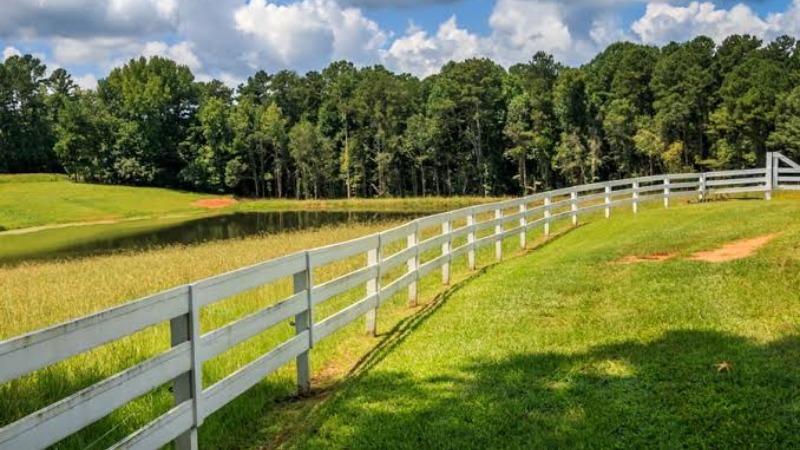
A farm fence is a working system, not simply a line around a field. It influences livestock safety, grazing movement, equipment access, crop protection, and the time required to manage the property. Choosing it well starts with understanding what must be contained, excluded, protected, or moved.
Property owners in south-central Missouri can look to agricultural fencing companies such as Holliday Fencing Services for practical, site-based guidance. The family-owned company, based near Salem, Missouri, serves farms, ranches, homes, and businesses across Southeast and Central Missouri with agricultural installation options including pipe, woven wire, barbed wire, high-tensile, electric fencing, livestock containment, and gates. Its background in farming, cattle, fencing, and welding is especially relevant when a design needs to withstand real animal pressure and daily farm use.
Start With the Fence’s Purpose
Do not select a fence solely because it looks good or seems inexpensive per foot. First, write down the job for each section: boundary control, rotational grazing, corral containment, garden protection, road frontage, predator deterrence, or temporary paddock division. A sturdy perimeter fence may be appropriate around the property, while a lighter electric line may work inside a pasture. Separating these goals early prevents costly redesigns.
Match the Fence to Livestock
Animal behavior should guide the selection of height, wire spacing, visibility, and post strength. Cattle need strong corners, dependable gates, and visible lines. Horses benefit from smooth, highly visible materials because they may run, turn, or strike a fence. Goats and sheep need smaller openings and lower protection because they push through gaps, climb, and test weak areas. Hogs require sturdy lower sections that resist rooting. Poultry and small animals often require tight-mesh netting and predator protection. A cattle fence with wide spacing may contain cows well but allow goats to slip through, while barbed wire can create an avoidable risk in an active horse enclosure.
Compare Farm Fence Materials
Choose by function, not by trend
- Woven wire:A versatile choice for sheep, goats, cattle, and mixed-use areas. Mesh opening size is critical for preventing escapes and reducing the chance of animals becoming caught.
- Pipe fencing:Strong, visible, and durable for corrals, entrances, livestock handling areas, and other high-impact locations.
- High-tensile wire:Useful for long runs when properly tensioned and securely braced. It requires periodic inspection.
- Electric fencing:Effective for rotational grazing and temporary divisions when grounding, voltage, vegetation control, and training are handled correctly.
- Barbed wire:Common on some perimeter lines, but animal type, placement, and local conditions should determine whether it is appropriate.
- Wood fencing:Attractive and visible for entryways and select horse or residential areas, though it requires regular upkeep.
Compare total ownership cost, including clearing, labor, braces, gates, repairs, replacement parts, and expected service life. The USDA Natural Resources Conservation Service fence standard also emphasizes planning for livestock movement, water access, wildlife, gates, maintenance, and site conditions rather than treating fencing as an isolated project.
Study the Property Before Building
Walk the proposed route in both wet and dry conditions when possible. Note slopes, rock, brush, wooded ground, creeks, gullies, soft soil, and flood-prone areas. Corners, ends, and direction changes need strong bracing because they carry much of the fence tension. Soil type affects post depth, stability, and installation time. Before building, confirm boundaries, locate utilities, review access routes, and check applicable local requirements. A slightly longer route can be the better choice if it avoids a washout, improves equipment access, or makes future repairs easier.
Plan Gates, Access, and Water
Gates are part of the system, not an afterthought. Place them where tractors, trailers, feeding equipment, and emergency vehicles can pass safely. Use wide openings where large equipment will travel, substantial gate posts in high-use areas, and latches that can be operated reliably in mud, ice, or low light. Avoid placing gates at steep drops, tight turns, or muddy bottlenecks. Fence lines should also support safe access to tanks, ponds, wells, and watering systems without allowing livestock into sensitive areas unnecessarily.
Protect Livestock and Wildlife
Inspect the design from the animal’s perspective. Loose wire, sharp ends, broken boards, sagging mesh, and poorly secured braces can cause injuries or escapes. Use visible materials where horses or cattle may move quickly. Consider fence height and spacing near deer travel routes, waterways, and narrow crossings. Young animals and horned livestock deserve extra attention because they can become caught in unsuitable openings. Local agricultural or conservation professionals can help identify sensitive areas before installation begins.
Use New Technology Carefully
Virtual fencing uses GPS-enabled collars and digital boundaries to guide livestock without the need for permanent interior wire. It can support rotational grazing, temporary pasture changes, and difficult-to-fence terrain. However, it depends on animal training, batteries, monitoring, software access, and dependable connectivity. A 2026 University of Missouri field evaluation illustrates its potential for managing cattle, sheep, and goats, while also showing why producers should test the system carefully. Virtual fencing is generally better viewed as a grazing-management tool than a replacement for secure property boundaries, corrals, or road-facing fences.
Choose a Qualified Contractor
Ask contractors about their experience with your livestock, terrain, and preferred fence type. Request a written scope covering materials, post spacing, corner bracing, gates, cleanup, timeline, and warranty terms. Confirm insurance and ask how the crew handles rocky ground, grade changes, wet locations, and wooded sections. Compare proposals by installation quality and long-term suitability, not just the lowest number.
Maintain the Fence
Walk fence lines after storms, flooding, high winds, heavy snow, or livestock escapes. Check corners, braces, gates, low spots, and areas animals commonly test. Remove limbs, vines, and brush that weigh down wire or short out electric lines. Repair leaning posts, loose fasteners, damaged mesh, rust, broken insulators, and weak latches promptly. A simple repair log can reveal recurring trouble spots and make future maintenance more efficient.
Farm Fence Planning Checklist
- Which animals must the fence contain or exclude?
- Is the section a boundary, pasture, corral, garden, roadway, or temporary paddock?
- What are the slope, soil, drainage, brush, and access conditions?
- Where should gates, water points, and equipment lanes be located?
- What materials meet the required visibility, safety, budget, and maintenance level?
- Will the farm layout change within the next three to five years?
- Does the plan include properly braced corners, ends, and gates?
- Who will inspect and maintain the fence throughout the year?
Conclusion
The right farm fence supports safer livestock, more efficient work, better grazing control, and fewer surprises when weather or animal pressure tests the line. Study the land, choose materials for the specific job, plan access before installation, and invest in construction details that make the fence dependable for years to come.