
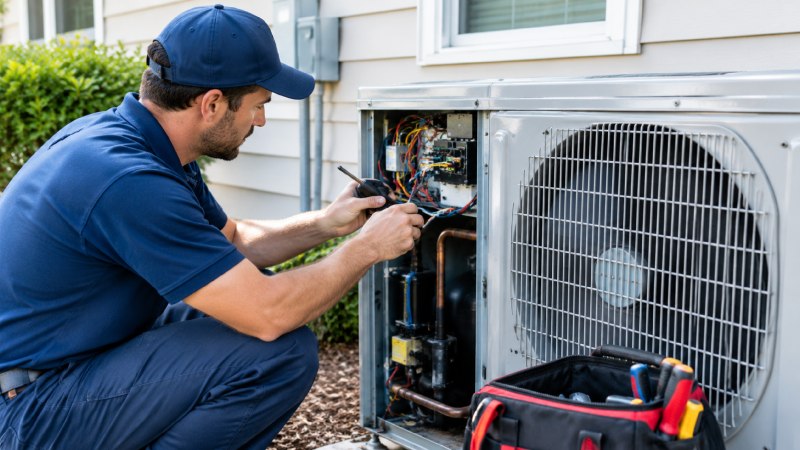
An air conditioning system does not always fail suddenly. In many cases, its performance changes gradually. You may notice weaker airflow, longer cooling cycles, unusual noises or rooms that no longer feel as comfortable as they once did. These changes can provide useful clues about what is happening inside the system.
Professional air conditioning services can help identify whether a change is caused by routine wear, restricted airflow, a control problem or another fault. Paying attention to early warning signs can make it easier to address smaller issues before they begin to affect comfort or reliability more seriously.
Weaker Airflow from the Vents
Airflow should feel steady when the system is operating normally. If the air coming from the vents becomes noticeably weaker, the system may be struggling to move conditioned air through the property. A dirty filter, blocked vent or problem within the air-handling equipment could be contributing to the change.
Start by checking that vents are open and not covered by furniture or other objects. The filter should also be checked according to the manufacturer’s guidance. If airflow remains poor after these basic checks, professional inspection can help locate the cause.
Rooms Taking Longer to Cool
A room that suddenly takes much longer to reach a comfortable temperature deserves attention. The cause could be as simple as restricted airflow, but changes in system operation, thermostat performance or internal components may also affect cooling.
Booking air conditioning services when cooling performance begins to decline can help determine whether maintenance or repair is required. Delaying attention may allow the system to work harder for longer periods without solving the underlying problem.
Uneven Temperatures Around the Property
One room may feel comfortable while another remains warm. Some temperature variation is normal, particularly in larger properties or spaces with different levels of sunlight, insulation and airflow. A noticeable new change, however, may indicate that air is no longer being distributed properly.
Check whether vents have been closed or obstructed. If the problem affects several rooms or develops without an obvious reason, the ductwork, controls or system settings may need further assessment.
Longer or More Frequent Running Cycles
Air conditioning systems operate in cycles to reach and maintain the selected temperature. If the system starts running for much longer than usual, it may be having difficulty meeting demand.
Possible reasons can include:
- A clogged or overdue filter
- Restricted airflow around the equipment
- Incorrect thermostat settings
- Dirty system components
- A developing mechanical or electrical fault
Weather conditions can also influence running time, so one long cycle does not always mean something is wrong. A consistent change in behaviour is more important to investigate.
New or Unusual Noises
Most systems make some sound when starting, running and stopping. What matters is a change from the usual pattern. Rattling, grinding, buzzing or repeated clicking may point to loose parts, electrical issues or wear within moving components.
Do not ignore a noise simply because the system is still cooling. Turn the equipment off if there is a strong burning smell, harsh grinding sound or another sign that suggests continued operation could cause damage. A qualified technician can inspect the source safely.
Rising Energy Use Without an Obvious Reason
A higher energy bill does not automatically mean the air conditioning system is faulty. Hotter weather, longer operating hours or changes in household routines can all increase consumption.
However, if energy use rises while your normal habits remain unchanged, the system may be operating less efficiently. Restricted airflow, poor maintenance or worn components can make equipment work harder to maintain the desired temperature. Comparing bills over similar periods can help you spot a genuine pattern.
Water or Moisture Around the Unit
Moisture around indoor equipment should not be treated as normal. Air conditioning systems manage condensation during operation, but that moisture should drain away correctly.
Visible water may indicate a blocked drain, damaged component or another issue requiring attention. Because leaks can damage nearby materials, it is sensible to investigate them promptly rather than simply wiping the area and continuing to use the system.
When Should You Call a Professional?
Basic checks such as reviewing thermostat settings, inspecting the filter and making sure vents are open can be done safely by most homeowners. Anything involving electrical parts, refrigerant or internal mechanical components should be left to a trained technician.
Professional attention is particularly important when:
- Cooling stops completely
- Electrical breakers repeatedly trip
- Water leaks continue
- Unusual smells appear
- Loud or unfamiliar noises develop
- Performance keeps declining despite basic maintenance
Conclusion
Changes in air conditioning performance often provide early warning that something needs attention. Weak airflow, longer running times, uneven cooling, unusual sounds and leaks should not automatically be treated as major failures, but they should not be ignored either.
Start with simple checks and watch for patterns. If the problem continues or becomes more serious, professional assessment can help identify the cause and reduce the risk of further damage.