
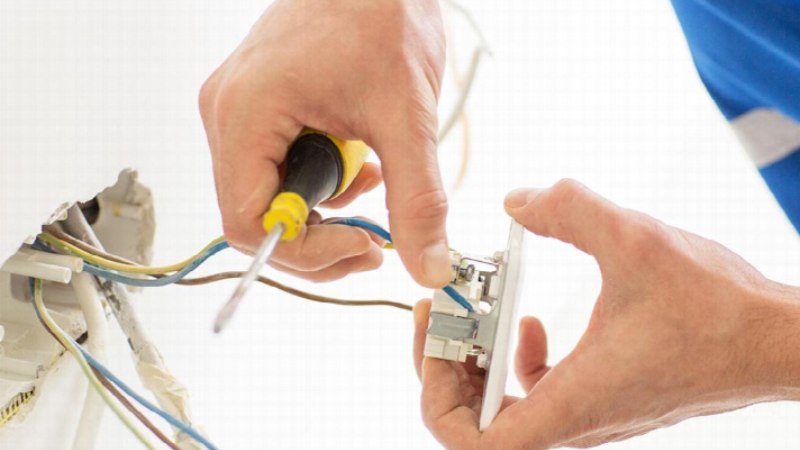
Many older homes were built at a time when households used far fewer electrical appliances than they do today. A property may originally have been designed around basic lighting, kitchen appliances and a relatively small number of power points, while a modern household can have air conditioning, computers, televisions, kitchen equipment, chargers and numerous other devices operating throughout the day.
The age of a home does not automatically mean its electrical system is inadequate, particularly if upgrades have been completed over the years. However, repeated circuit trips, limited power points or other changes in electrical performance can justify an assessment by a Ramsgate electrician to determine whether the existing system is suitable for the way electricity is now being used throughout the property.
Modern Homes Use Electricity Very Differently
Household electricity use has changed considerably as more appliances and electronic devices have become part of everyday life. Kitchens may contain several high-powered appliances, bedrooms often have televisions and chargers, and home offices can include computers, monitors, printers and networking equipment. Heating and cooling systems can add further demand, particularly when several appliances are operating at the same time.
An older electrical installation may have been altered over several decades to accommodate these changes, but individual additions do not necessarily mean the entire system has been reviewed as a whole. Understanding current household demand can help determine whether existing circuits, power points and other components remain appropriate or whether parts of the electrical system should be investigated further.
Frequent Circuit Tripping Can Be a Warning Sign
Circuit breakers and safety switches perform important protective functions, so a device that trips should not simply be treated as an inconvenience. An occasional trip may be associated with a particular appliance or temporary fault, while repeated tripping can indicate that something needs further investigation. The cause may involve excessive demand on a circuit, faulty equipment, damaged wiring or another electrical problem.
Rather than repeatedly resetting the switch and continuing as normal, pay attention to when the problem occurs. If the circuit consistently trips when several appliances are operating, or when one particular device is connected, that information can help with fault finding. Electrical faults should be assessed by an appropriately licensed electrician rather than through DIY testing of fixed wiring or switchboard components.
Limited Power Points Can Encourage Unsafe Workarounds
Older homes often have fewer power points because households did not originally need outlets in as many locations. Today, a room may need to support televisions, computers, lamps, chargers and other equipment simultaneously. When there are not enough conveniently located outlets, occupants can become increasingly dependent on power boards and extension leads to connect everything they need.
Extension leads can be useful for temporary situations, but they should not automatically become a permanent substitute for appropriately located power points. Connecting multiple devices without considering the circuit and equipment ratings can create problems, particularly when high-powered appliances are involved. If a household regularly relies on extension leads because outlets are unavailable, it may be worth assessing whether additional power points can be installed appropriately.
Older Switchboards May Not Reflect Current Requirements
The switchboard is a central part of a home’s electrical installation, distributing electricity across the property’s circuits and containing protective equipment. In an older home, the switchboard may have been upgraded since construction, partially modified or left largely unchanged. Its condition therefore needs to be assessed individually rather than estimated purely from the age of the building.
Homeowners should not remove switchboard covers or attempt to modify protective devices themselves. If there are signs of deterioration, repeated electrical faults or plans to add equipment that could substantially change household demand, professional assessment can establish what is currently installed. Where upgrades are required, the work can then be planned according to the property and applicable electrical requirements.
Renovations Can Increase Electrical Demand Further
Renovating an older home often introduces additional electrical requirements. A new kitchen may include more appliances and power points, while an extension could add lighting, air conditioning and entertainment equipment. Home offices, outdoor living areas and workshops can also change where and how electricity is used, making electrical planning an important part of the renovation rather than something to address after construction.
Planning early provides an opportunity to assess existing infrastructure before new walls, cabinetry and finishes make access more difficult. An electrician can consider the proposed appliances, lighting and power-point locations alongside the existing installation. This can help determine what electrical work needs to be incorporated into the renovation instead of repeatedly adding individual connections as new requirements arise.
Future Technology Should Be Part of the Planning
Electrical demand is likely to continue changing as households adopt new technology. Electric vehicle charging, induction cooking, additional air conditioning, solar equipment, batteries and increasingly connected homes can all influence electrical planning. Not every property will require these additions, but homeowners undertaking substantial electrical work may benefit from considering realistic future needs alongside immediate requirements.
This does not mean installing equipment that may never be used. Instead, it means discussing likely changes before making major decisions about the electrical system. Understanding both present and possible future demand can help homeowners avoid approaching every upgrade as an isolated project and provide a clearer picture of how the home’s electrical infrastructure may need to develop over time.
Conclusion
Older homes can continue to serve modern households well, but the way electricity is used today may be very different from when the property was originally built. More appliances, additional power points, home offices, air conditioning and other technology can place demands on an electrical system that may have been designed for a much simpler household.
Repeated circuit trips, heavy reliance on extension leads or plans for significant new electrical equipment can all provide reasons to review the existing installation. Rather than assuming every older home needs extensive upgrades, a professional assessment can identify the condition and capacity of the current system and determine whether particular improvements are appropriate.