
Table of Contents
- Introduction
- Spring: Awakening and Assessment
- Summer: Growth and Vigilance
- Fall: Preparation and Pruning
- Winter: Protection and Planning
- Community Initiatives: Enhancing Urban Forestry
- Professional Assistance: Ensuring Expert Care
- Conclusion
Maintaining the health and vitality of trees in Rochester, Minnesota, requires consistent attention throughout the year. Each season presents unique challenges and opportunities for tree care, ensuring that our urban canopy remains robust and resilient. For expert assistance, consider consulting an arborist rochester mn. ArborWise Tree Management is a family-owned company dedicated to ethical tree care and science-based tree management practices. Their team of certified arborists offers a range of services, including tree removal, pruning, plant health care, and more, tailored to the specific needs of the Rochester community.
Spring: Awakening and Assessment
As the snow melts and temperatures rise, trees emerge from dormancy. This is an ideal time to assess winter damage and plan for the growing season. Inspect trees for broken branches, signs of disease, or pest infestations. Early detection allows for prompt intervention, promoting healthier growth throughout the year.
One important step in spring is soil testing. The health of a tree often depends on the quality of the soil in which it grows. By sending a soil sample to a local extension office or using an at-home testing kit, homeowners can determine pH levels and nutrient content. This information helps guide fertilizer applications, ensuring your trees receive the nutrients required to support vigorous spring growth. Additionally, spring is a preferred time to plant new trees, as cooler soil temperatures encourage root development before the heat of summer sets in.
Summer: Growth and Vigilance
During the summer months, trees experience rapid growth. Regular watering is crucial, especially during dry spells. Mulching helps retain soil moisture and suppresses weeds. Be vigilant for signs of stress, such as wilting leaves or unusual discoloration, which may indicate underlying issues.
It’s also essential to monitor trees for pest activity during the summer. Common pests in the Rochester area include emerald ash borer, aphids, and scale insects. If you notice sticky residue, distorted leaves, or an unusual number of insects on your trees, contact a certified arborist for a proper diagnosis and treatment plan. Integrated pest management (IPM) practices combine careful monitoring, biological controls, and judicious use of insecticides, helping to minimize environmental impact while effectively managing tree pests.
Additionally, avoid the temptation to heavily prune trees during the growing season, as excessive pruning can stress trees and make them susceptible to pests and diseases. Only remove dead, crossing, or hazardous branches, and consult an arborist for large-scale pruning needs.
Fall: Preparation and Pruning
Fall is a critical period for preparing trees for the harsh Minnesota winter. The Minnesota Department of Natural Resources recommends watering trees until the ground freezes, particularly young or newly planted ones. Applying a three-inch layer of mulch around the base, keeping it three inches away from the trunk, insulates roots against extreme cold. Additionally, wrapping young trees or adding guards can protect bark from cracking caused by daytime sun and overnight freezing.
Fall also presents an ideal opportunity to evaluate your landscape for risk factors. Trees that lean toward homes or utility lines, show signs of internal decay, or have large dead branches can pose hazards during storms or heavy snowfalls. Schedule a tree risk assessment with a professional arborist prior to winter. This proactive measure can help you avoid costly damage or emergency removals during the snowy months.
Leaf cleanup is another vital fall task for tree health. Rake fallen leaves and dispose of them according to Rochester’s yard waste guidelines to prevent disease and create compost for garden beds. This helps reduce the risk of fungal diseases that can overwinter in leaf litter and impact tree health in the spring.
Winter: Protection and Planning
Winter may seem like a time of dormancy, but it’s an excellent opportunity for certain tree care activities. Pruning during this season minimizes the risk of disease transmission and pest infestations. The City of Rochester emphasizes the importance of pruning oaks in winter to limit the risk of oak wilt infection.
Another important winter task is monitoring for animal damage, particularly from rabbits and deer, who may chew on bark or young branches when food is scarce. Installing protective barriers or tree wraps can help deter wildlife from causing harm. It’s also wise to brush off heavy snow from branches after storms to prevent breakage. However, avoid using salt or harsh de-icing chemicals near trees, as these can leach into the soil and damage roots. In addition, planning for spring, such as researching new tree varieties or scheduling future services with local arborists, can make for a more productive growing season when warmer weather returns.
Community Initiatives: Enhancing Urban Forestry
Rochester’s commitment to urban forestry is evident through initiatives like the Healthy Trees, Healthy City program. This effort aims to increase tree canopy, improve neighborhood livability, and support environmental health by offering free trees to residents in select neighborhoods. Such programs not only beautify the city but also contribute to environmental sustainability.
Many communities also coordinate volunteer events, such as tree planting days, neighborhood clean-ups, and educational workshops on tree care. Participating in these programs fosters a sense of shared responsibility for Rochester’s green spaces, strengthens social bonds, and empowers residents with the knowledge to properly care for their trees. Staying informed about policy changes or grant opportunities can enable homeowners and neighborhood associations to access additional resources for enhancing their urban forests.
Professional Assistance: Ensuring Expert Care
For comprehensive tree care, consulting with certified arborists is advisable. ArborWise Tree Management, a reputable company in Rochester, offers services ranging from pruning to disease management. Their expertise ensures that trees receive the care they need to thrive in Minnesota’s climate. If you’re seeking an experienced arborist in Rochester, MN, ArborWise Tree Management is a trusted choice.
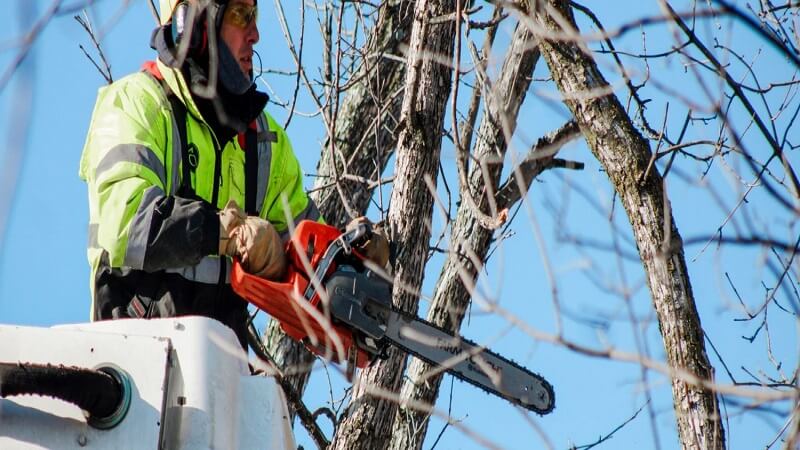
Professional arborists are equipped with the knowledge, training, and tools to accurately diagnose tree health problems, identify pests or fungal issues, properly prune for growth structure, and safely conduct removals when necessary. They follow the latest industry standards from organizations like the International Society of Arboriculture (ISA) and are aware of local regulations and best practices that impact Rochester’s tree population. Leveraging their expertise protects your landscape investment and contributes to a healthier, more resilient urban forest across the community.
Conclusion
Year-round tree care in Rochester, MN, involves a combination of seasonal maintenance, community participation, and professional expertise. By staying proactive and informed, residents can ensure that the city’s trees remain healthy and continue to provide environmental, aesthetic, and economic benefits for generations to come.
In summary, whether you’re nurturing a new sapling or caring for a centuries-old oak, routine and mindful tree care make all the difference. Trees not only add natural beauty and shade but also support biodiversity, improve air and water quality, and elevate property values. By adopting thoughtful seasonal practices, getting involved in community tree initiatives, and collaborating with certified experts, everyone in Rochester can play a vital role in sustaining and enriching the local urban forest ecosystem.