
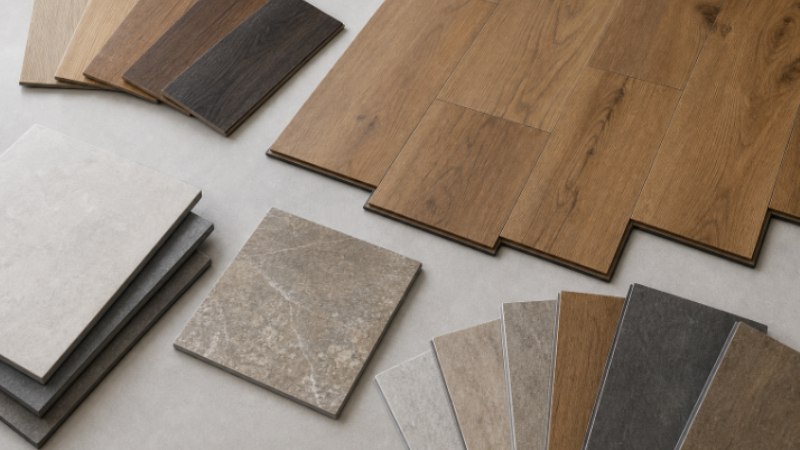
Choosing commercial flooring is about much more than selecting a color or surface pattern. The right floor supports safe movement, holds up to daily wear, fits the cleaning routine, and helps the space look professional for years. Businesses comparing commercial flooring solutions for Tulsa businesses should begin by studying how each area is actually used before narrowing down materials.
A quiet office, busy retail store, medical clinic, school hallway, and restaurant entrance can all have very different flooring needs. Traffic volume, moisture, rolling equipment, sound, comfort, and downtime limits should guide the decision from the start.
Why Flooring Choice Matters In Busy Buildings
Floors influence first impressions, employee comfort, customer flow, and routine operations. Commercial settings also face harder conditions than most homes: tracked-in grit, spills, rolling chairs and carts, furniture movement, frequent cleaning, and heavy foot traffic. A polished surface that works in a low-use lobby may fail quickly in a grocery aisle or clinic corridor.
How To Assess The Space Before Shopping
Start with a practical walkthrough rather than a sample board. Record the following details for every zone:
- Traffic paths: Identify entrances, corridors, reception desks, checkout areas, waiting rooms, and workstations.
- Moisture risks: Note exterior doors, kitchens, restrooms, janitorial closets, and lower-level areas.
- Equipment loads: Account for carts, rolling chairs, displays, pallet jacks, and heavy furniture.
- Subfloor condition: Look for cracks, uneven spots, moisture, old adhesive, and slab damage.
- Cleaning routine: List cleaners, machines, frequency, and staff capacity.
- Downtime limits: Decide whether installation must occur after hours or in phases.
How Common Flooring Materials Compare
No flooring material is best for every commercial setting. The most suitable choice depends on the demands of the specific room.
Luxury Vinyl Tile And Plank
Luxury vinyl tile and plank work well in offices, retail spaces, restaurants, and shared-use areas because they offer wood and stone visuals with relatively straightforward routine care. Check the wear layer, seam design, subfloor preparation requirements, and moisture conditions before specifying the product.
Commercial Carpet And Carpet Tile
Commercial carpet can improve underfoot comfort and reduce noise in offices, libraries, hotels, and meeting spaces. Carpet tile is especially practical where spot replacement may be needed. Effective entry mats and consistent vacuuming help prevent soil from being ground into the fibers.
Porcelain And Ceramic Tile
Tile can be a strong fit for restrooms, food-service areas, entry zones, and other wet locations because it resists moisture and staining. However, grout maintenance, slip resistance, substrate stability, and increased sound reflection all require attention.
Polished Concrete And Other Hard Surfaces
Polished concrete can deliver a durable, modern finish in retail and industrial spaces. Its performance depends on slab quality, surface preparation, finish level, and maintenance. Consider glare, acoustics, standing comfort, and wet-weather traction before selecting a highly polished finish.
Safety, Comfort, And Sound Control
Slip resistance is particularly important near entrances, kitchens, restrooms, and anywhere water may be present. OSHA requires workplaces to maintain walking-working surfaces in clean, orderly, and reasonably dry condition, while addressing hazards such as spills and damaged surfaces.
Plan transitions carefully, since uneven edges between materials can become trip hazards. Also consider low-glare finishes in bright spaces, plus carpet, resilient surfaces, or underlayment where noise and standing comfort matter. Accessible routes need surfaces that are stable, firm, and slip-resistant under the ADA design standards for floor and ground surfaces.
Purchase Price Versus Lifecycle Cost
The lowest material quote is not always the least expensive option over time. Calculate total ownership cost as purchase price, installation, maintenance, repairs, and eventual replacement over the expected service life.
- Material, adhesive, trim, and transition costs
- Subfloor correction and installation labor
- Routine cleaning, sealing, or refinishing
- Repair materials and replacement sections
- Revenue or productivity lost during downtime
A cheaper floor that needs repeated patching can cost more than a higher-quality product that stays serviceable longer.
Planning For Cleaning And Maintenance
Build maintenance into the buying decision. Entry mats reduce grit, a written daily and weekly cleaning schedule supports consistency, and approved cleaners protect warranties. Clean spills promptly, particularly on porous or textured surfaces. When possible, keep spare planks, tiles, or carpet modules from the original production run for future repairs.
Preparing For Installation With Less Disruption
- Confirm material availability before setting a project date.
- Complete moisture testing and subfloor inspections early.
- Move furniture, equipment, and stored items before crews arrive.
- Divide large projects into zones if the building must remain open.
- Set expectations for dust control, ventilation, access, and cleanup.
- Conduct a final walkthrough before reopening each completed area.
Common Commercial Flooring Mistakes
- Choosing solely for appearance.
- Using one flooring type throughout every room.
- Ignoring moisture below the finished surface.
- Skipping subfloor preparation.
- Underestimating wet-weather traffic and entrance soil.
- Forgetting acoustics, repair methods, or curing time.
Questions To Ask Before Choosing A Product
- What traffic level is the product designed to handle?
- How does it perform around spills and frequent mopping?
- What subfloor issues must be corrected first?
- Which cleaners and machines are approved?
- Can damaged sections be replaced without redoing the entire floor?
- What warranty limits apply to wear, moisture, stains, and installation?
Design And Performance Notes
Warm wood visuals, stone-inspired patterns, matte finishes, and resilient materials remain useful options for commercial interiors. Design should support performance, not replace it. Thoughtful color changes, patterns, and material transitions can help guide people through large facilities while creating distinct zones for work, waiting, dining, or service.
Final Checklist
- Traffic levels identified
- Moisture risks reviewed
- Safety and accessibility needs confirmed
- Subfloor inspected
- Cleaning plan documented
- Lifecycle costs compared
- Installation timing approved
- Warranty and repair details recorded
The best commercial floor is not simply the most attractive or least expensive option. It is the material that fits the building’s daily demands, supports safe movement, remains manageable to maintain, and provides dependable value over its full service life.