
Florida’s construction industry is rapidly transforming, as builders and developers embrace eco-friendly practices to meet growing demand for sustainability and energy efficiency. As environmental concerns rise and a focus on reducing energy consumption and building costs grows, both commercial and residential construction company leaders are driving innovation across the Sunshine State. New regulations, smart technology, and a commitment to green materials are placing Florida at the forefront of sustainable construction in the United States.
This shift is not only about following eco-trends; it’s about securing long-term economic benefits. Reduced utility costs, improved occupant health, and increased building value attract both homeowners and businesses. In turn, sustainable projects help Florida prepare for climate risks while meeting regulatory frameworks and consumer demand for greener living and working environments.
The state’s abundant sunshine makes it an ideal testing ground for integrating renewable energy into the construction sector. Recent legislative changes, incentives, and community-driven movements are shaping how sustainability is prioritized in deployments and retrofits, creating a blueprint for other regions to follow.
Homebuyers and property investors also gain peace of mind through the final walkthrough process, which ensures that all sustainable features and construction details are completed to the highest standards before occupancy.
Net-Zero Energy Buildings
Net-zero energy (NZE) buildings are rapidly gaining popularity in Florida, driven by the state’s plentiful sunshine and decreasing costs for solar panels and battery storage. NZE buildings generate as much energy on-site as they consume each year, often using rooftop solar panels and energy-efficient HVAC systems. The dramatic drop in the cost of solar technology over the last ten years has shortened the payback period for new installations, making net-zero development feasible for schools, offices, multifamily residences, and more.
This transition is both environmentally and socially advantageous. Studies show that NZE buildings secure higher lease rates, appeal to tenants who prioritize sustainability, and reduce the risks associated with long-term energy cost fluctuations.
Smart Building Technologies
Advances in smart building technologies are revolutionizing construction across Florida. Automated thermostats, occupancy-based lighting systems, and real-time energy consumption monitors are now standard in many new projects. These tools not only optimize energy use but also improve occupant comfort. Integration with building management systems enables real-time adjustments that can cut energy consumption by up to 30 percent in some cases.
Further, technologies like smart windows and adaptive daylighting systems maximize natural light while reducing cooling loads. The commitment to connectivity and automation is transforming how both commercial and residential buildings function, ensuring spaces align with modern energy standards and the demands of residents and business owners.
Sustainable Communities
Sustainable master-planned communities are emerging as Florida’s response to the need for resilient housing and infrastructure. Babcock Ranch stands out as a prime example, boasting the title of America’s first solar-powered town. Here, solar panels, reclaimed water systems, and electric vehicle infrastructure work in harmony to minimize carbon footprints and enhance community living. The design prioritizes natural spaces, pedestrian paths, and energy-efficient construction, creating a blueprint for future developments that balance population growth and resource conservation.
The example set by these communities demonstrates that sustainability is achievable on a large scale, redefining what it means to live, work, and play in Florida while helping protect the state from environmental threats such as sea level rise and hurricanes.
Legislative Impacts on Green Building
Florida’s evolving legislation directly impacts green building trends. In 2024, the state enacted new laws prohibiting local governments from imposing their own net-zero targets, a move intended to create uniformity but that has raised concerns among cities pursuing aggressive climate action plans. This state-driven approach presses local leaders to find innovative workarounds and motivates builders and homeowners to adopt voluntary green standards. As the legal landscape continues to evolve, the construction industry must adapt and seek new paths to sustainable growth.
Green Construction Materials
Reducing environmental footprints begins with the right building materials. Florida builders are more frequently choosing products that are recycled, locally sourced, or certified for low emissions. Materials like bamboo flooring, recycled steel, and high-performance insulation not only decrease project carbon footprints but also improve building durability and indoor air quality.
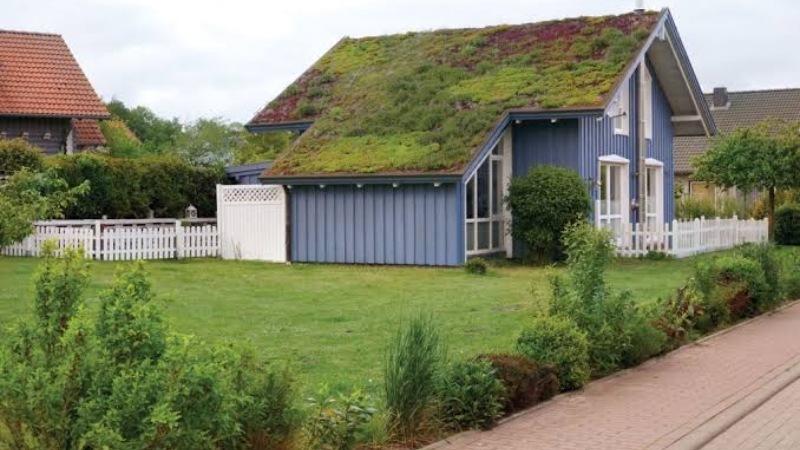
In addition, green roofing systems and storm-resistant glass are seeing increased adoption, reflecting both sustainability and Florida’s need for climate resilience amid frequent storms and hurricanes. These material choices help ensure that new construction supports both economic efficiency and long-term environmental health.
ENERGY STAR Incentives for Multifamily Builders
To promote sustainable building, Florida offers targeted incentives for energy-efficient construction. Duke Energy Florida’s ENERGY STAR program, for example, provides up to $1,000 per residential unit for multifamily projects that achieve ENERGY STAR certification. For developers, this funding offsets the upfront costs of advanced HVAC, windows, and insulation, while residents benefit from reduced monthly utility bills and healthier living environments. These incentives are motivating both large developers and small builders to prioritize energy-efficient design and construction.
LEED Certification Achievements
Leadership in Energy and Environmental Design (LEED) certification is the gold standard of green building recognition. Florida has seen a substantial increase in LEED-certified buildings across sectors, from commercial offices to healthcare. The UCF Lake Nona Hospital achieved LEED Gold, demonstrating that sustainability can be a reality even in energy-intensive sectors like healthcare. Achievements like this highlight Florida’s growing focus on innovation and demonstrate the practical benefits of adhering to rigorous building standards for sustainability and occupant wellness.
Conclusion
Florida’s construction sector is at the forefront of sustainable practices, integrating net-zero energy targets, smart building technologies, and green materials into new and existing developments. Although recent legislative changes have created new challenges, local municipalities and industry leaders remain committed to advancing green building initiatives. As these trends continue to shape the industry, Florida is establishing itself as a national leader in sustainable construction and innovative community design.