
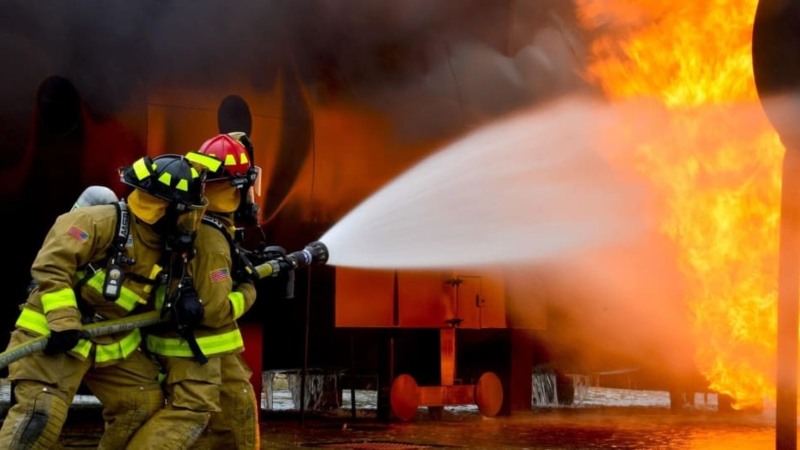
Fire can turn a safe environment into a dangerous situation within minutes. Whether it starts because of faulty wiring, an overloaded electrical system, cooking equipment, machinery, or another unexpected source, a small fire can quickly cause extensive damage. This is why having effective fire protection services in place is an important part of protecting people, property, and business operations.
Fire safety is not simply about keeping a fire extinguisher on the wall. A reliable protection strategy combines prevention, early detection, emergency response, equipment maintenance, and regular inspections. When these elements work together, they can significantly reduce the potential impact of a fire.
What Are Fire Protection Services?
Fire protection services are professional solutions designed to prevent fires, detect them at an early stage, control their spread, and protect people and property during an emergency.
Depending on the type of building and its specific risks, these services can include fire alarm installation, sprinkler systems, fire extinguishers, emergency lighting, fire suppression systems, inspections, testing, maintenance, and safety planning.
Residential properties, offices, warehouses, retail stores, factories, restaurants, hospitals, and other commercial facilities can all have different fire risks. Professional fire protection providers assess these risks and recommend solutions that match the building, its occupants, and its day-to-day activities.
Why Fire Protection Should Be a Priority
Fire safety is often overlooked until an emergency happens. Unfortunately, waiting until a fire occurs is too late to discover that an alarm is not working, an extinguisher has expired, or an emergency exit is poorly marked.
A proactive approach to fire protection provides several important benefits.
Protecting People
The most important purpose of fire safety is protecting human life. A properly maintained alarm system can provide an early warning, giving occupants valuable time to evacuate.
In larger buildings, where people may be spread across multiple floors or rooms, early detection can make an especially important difference.
Reducing Property Damage
A fire can damage much more than the area where it begins. Heat, smoke, flames, and water used during firefighting can affect equipment, inventory, furniture, electrical systems, and structural components.
Fire detection and suppression systems can help control an incident before the damage becomes more extensive.
Supporting Business Continuity
For businesses, a serious fire can cause long-term disruption. Operations may have to stop while repairs are completed, equipment is replaced, and damaged areas are restored.
A comprehensive fire protection strategy can reduce the likelihood of severe damage and help businesses respond more effectively when an emergency occurs.
Meeting Safety Requirements
Many commercial and industrial properties must follow specific fire safety standards and building requirements. Regular inspections and professional maintenance can help property owners identify potential problems and keep their systems in proper working condition.
Key Components of a Fire Protection Strategy
Effective fire protection involves more than one piece of equipment. Several systems and services work together to create a safer environment.
Fire Alarm Systems
Fire alarms are among the most important components of a building’s safety system. Modern alarms can detect smoke or excessive heat and immediately alert occupants.
Early notification gives people more time to evacuate and allows emergency responders to act sooner.
Regular testing is essential because even a sophisticated alarm system is only useful if it operates correctly when needed.
Fire Sprinkler Systems
Automatic sprinkler systems are designed to respond to rising temperatures caused by a fire. Depending on the system and the circumstances, sprinklers can help suppress or control a fire before it spreads throughout a building.
Sprinkler systems are particularly valuable in commercial properties, warehouses, industrial facilities, and other locations where a fire could spread rapidly.
Fire Extinguishers
Fire extinguishers provide a first line of defense against small fires. However, different types of fires require different extinguishing agents.
For example, equipment designed for ordinary combustible materials may not be appropriate for an electrical or flammable-liquid fire. Proper extinguisher selection, placement, inspection, and employee training are therefore important parts of fire safety.
Emergency Lighting and Exit Signs
Smoke and power loss can make it difficult for people to find their way out of a building during an emergency. Emergency lighting and clearly visible exit signs can help occupants locate evacuation routes.
These systems should be inspected regularly to make sure they remain functional.
Fire Suppression Systems
Some environments require specialized fire suppression systems rather than conventional sprinklers alone. Commercial kitchens, server rooms, industrial facilities, and areas containing sensitive equipment may have unique fire risks.
Specialized suppression technology can be selected according to the hazards present in a particular environment.
The Importance of Regular Fire Safety Inspections
Installing fire safety equipment is only the beginning. Systems can deteriorate over time, components can become damaged, and equipment can stop functioning properly.
Regular inspections help identify problems before they become serious.
During an inspection, professionals may examine fire alarms, extinguishers, sprinkler systems, emergency lighting, suppression equipment, and other safety components. They can also identify blocked exits, damaged equipment, inadequate signage, or other potential hazards.
A consistent inspection schedule provides greater confidence that fire protection systems will perform when they are needed most.
Fire Protection for Different Types of Properties
Every property has its own fire risks, which means fire protection should not be treated as a one-size-fits-all solution.
Offices
Offices can contain electrical equipment, computers, paper products, kitchens, and other potential ignition sources. Fire alarms, extinguishers, emergency lighting, and evacuation planning can help reduce these risks.
Warehouses
Warehouses may contain large quantities of packaging, chemicals, products, or other combustible materials. Because fires can spread quickly in these environments, appropriate detection and suppression systems are especially important.
Restaurants and Commercial Kitchens
Cooking equipment creates specific fire hazards. Grease and cooking-oil fires require appropriate suppression methods, while kitchen exhaust systems also need regular attention to reduce the buildup of combustible materials.
Industrial Facilities
Factories and industrial sites can involve machinery, chemicals, fuel, heat-producing equipment, and complex electrical systems. Professional risk assessments can help identify the right combination of detection and suppression technologies.
Residential Properties
Homes also benefit from reliable smoke alarms, carbon monoxide detection, fire extinguishers, and clear escape plans. Simple preventative measures can make a significant difference during a household emergency.
Common Fire Safety Mistakes to Avoid
Many fire-related problems can be prevented by addressing simple safety issues before they become dangerous.
One common mistake is ignoring faulty alarms or assuming that an alarm will continue working indefinitely. Another is keeping extinguishers in locations that are difficult to access.
Blocked emergency exits are another serious concern. Storage, furniture, equipment, or other objects should never prevent people from reaching an evacuation route.
Property owners should also avoid treating fire safety equipment as a one-time investment. Equipment requires testing, servicing, and maintenance to remain dependable.
How to Choose a Fire Protection Provider
Choosing the right service provider is an important decision. A reputable company should have experience with the type of property being protected and understand the specific risks involved.
Before hiring a provider, consider the following:
- Experience and professional qualifications
- Range of fire protection solutions
- Inspection and maintenance capabilities
- Knowledge of applicable safety requirements
- Emergency support and response options
- Quality of equipment and replacement components
- Clear pricing and service documentation
- Customer reviews and professional reputation
A good provider should focus on more than selling equipment. They should understand the property’s risks and help create a practical, long-term fire safety strategy.
Fire Safety Is an Ongoing Responsibility
Fire protection should be viewed as an ongoing process rather than a single project. Buildings change, equipment ages, employees come and go, and new hazards can appear over time.
Regular inspections, staff training, equipment maintenance, and updated emergency plans can help ensure that fire protection measures continue to match the property’s needs.
Employees should also understand basic emergency procedures, including how to raise an alarm, where to evacuate, and when it is appropriate to use a fire extinguisher. No one should be expected to fight a fire when doing so would put their safety at risk.
Final Thoughts
A well-designed fire protection strategy can make a significant difference when an emergency occurs. From alarms and sprinklers to extinguishers, emergency lighting, inspections, and employee training, every component has a role to play.
Investing in professional fire protection services is ultimately an investment in people, property, and peace of mind. Rather than waiting for a fire to expose weaknesses in a building’s safety measures, property owners and businesses can take proactive steps to identify risks, maintain essential equipment, and prepare for emergencies.
Fire safety works best when prevention and preparedness become part of everyday property management. With the right systems, regular maintenance, and professional guidance, buildings can be better prepared to protect the people and assets inside them.