
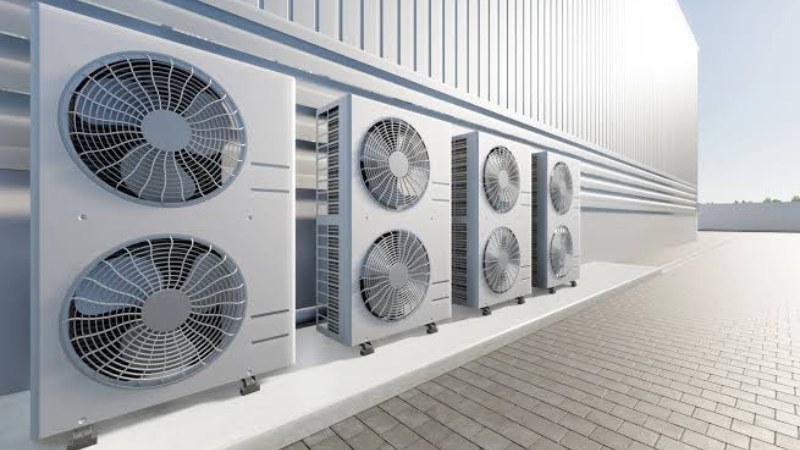
Improving the energy efficiency of commercial HVAC systems is a strategic initiative that can lead to substantial cost savings and environmental benefits. This article explores various upgrades and technologies that can enhance HVAC performance in commercial settings.
Commercial buildings account for a significant portion of energy consumption in the United States. Upgrading HVAC systems to more energy-efficient models is a practical approach to reducing energy use and operational costs. Partnering with a reputable commercial HVAC contractor, such as Viking Mechanical Refrigeration, ensures businesses receive expert guidance and service. Viking Mechanical Refrigeration is a family-owned and operated HVAC and commercial refrigeration company serving California’s Central Coast, from Santa Barbara to Paso Robles. With decades of experience installing and servicing heating, air conditioning, and refrigeration equipment, they specialize in commercial process cooling for wineries and produce facilities, as well as home and office HVAC.
Benefits of Energy-Efficient HVAC Systems
Investing in energy-efficient HVAC systems offers several advantages:
- Cost Savings:Reduced energy consumption lowers utility bills.
- Environmental Impact:Decreased energy use reduces greenhouse gas emissions.
- Improved Comfort:Advanced systems offer more precise temperature and humidity control.
- Enhanced Property Value:Buildings with modern, efficient HVAC systems are more attractive to tenants and buyers looking for sustainable features.
- Reduced Maintenance Costs:Newer equipment often requires fewer repairs and is easier to maintain when equipped with self-diagnostic technology.
Advanced HVAC Technologies
Recent advancements in HVAC technology have introduced systems that offer superior efficiency and performance. For instance, Trane has developed solutions that address electrification and intelligent building management, helping facilities achieve sustainability goals and enhance performance.
Key examples of advanced technologies include:
- Variable Refrigerant Flow (VRF) Systems:These systems enable precise control and zoning, allowing heating and cooling of different areas independently and reducing waste while improving occupant comfort.
- Energy Recovery Ventilators (ERVs):ERVs capture waste heat from exhaust air to preheat incoming fresh air, which significantly increases energy efficiency.
- Smart Thermostats and Controls:Integration with building automation systems allows for optimized scheduling, adaptive learning, and remote monitoring to ensure peak efficiency at all times.
- Chiller Upgrades:Modern chillers offer higher coefficients of performance (COPs) and use environmentally friendly refrigerants.
- Demand-Controlled Ventilation (DCV):This technology adjusts ventilation rates in real time based on occupancy, using CO2 sensors to maximize air quality and energy savings.
System Assessment and Retrofitting
One of the first steps toward improving efficiency is to conduct a comprehensive energy audit or system assessment. This process evaluates HVAC system performance, identifies inefficiencies, and pinpoints opportunities for upgrades or retrofits. Strategies may include replacing outdated equipment, adding insulation to ductwork, or upgrading to high-efficiency motors and drives. Retrofitting can also involve integrating renewables, such as rooftop solar or geothermal heat pumps, further reducing reliance on grid-supplied electricity.
Energy Management Strategies
In addition to hardware upgrades, operational strategies can have a profound impact on HVAC efficiency. Implementing energy management protocols such as scheduling, load shedding, and night setback (allowing temperatures to drift when buildings are unoccupied) can help conserve energy. Advanced building management systems (BMS) leverage data analytics to optimize performance, alert building managers to irregularities, and predict maintenance issues before they become costly failures. Continuous commissioning, an ongoing process of fine-tuning HVAC operation, ensures that energy savings are maintained over the long term.
Case Studies of Successful Upgrades
Real-world examples demonstrate the effectiveness of HVAC upgrades. The Georgia World Congress Center Authority implemented energy-efficiency upgrades, including centralizing mechanical operations and replacing aging HVAC equipment, resulting in an over 39% reduction in energy use and annual savings exceeding $2.5 million.
Another notable initiative comes from a large commercial office park in California. By incorporating variable-speed drives, upgrading chillers, and implementing an integrated automation system, the property management team reduced annual energy consumption by 25%, reduced maintenance callouts by 30%, and achieved a more comfortable, consistent interior climate for tenants. These tangible outcomes show that with the right investments, the payback period on HVAC modernization can be surprisingly short.
Maintenance Best Practices
Routine maintenance is critical for maximizing the lifespan and efficiency of commercial HVAC equipment. Key practices include regularly replacing air filters, cleaning coils and ductwork, ensuring refrigerant levels are correct, and verifying system calibration. Predictive maintenance, using sensors to monitor equipment conditions in real time, can identify potential failures before they lead to unexpected downtime and costly emergency repairs. Partnering with an experienced HVAC service provider, such as Viking Mechanical Refrigeration, ensures systems stay in top shape year-round, safeguarding your investment and supporting ongoing energy savings.
Incentive Programs and Rebates
Various programs offer financial incentives for businesses to upgrade their HVAC systems. For example, Duke Energy’s Smart $aver Program provides rebates for commercial HVAC control upgrades, including smart thermostats.
In California, businesses may qualify for utility-sponsored incentives that encourage not only simple equipment swaps but also comprehensive retrofits or even custom energy projects. Energy-efficiency programs, such as PG&E’s Savings By Design and Southern California Edison’s Energy Efficiency Rebates, can cover a substantial portion of up-front expenses, especially when upgrades include controls, chilled water systems, or advanced air distribution improvements.
Conclusion
Upgrading to energy-efficient HVAC systems is a wise investment for commercial buildings, offering cost savings, environmental benefits, and improved comfort. Leveraging advanced technologies and available incentives can facilitate this transition, leading to a more sustainable and efficient operation.
Making HVAC energy efficiency a priority is not just about staying compliant with building codes or reducing expenses; it is a forward-thinking business decision that supports tenant satisfaction, meets corporate sustainability objectives, and contributes to the global effort to reduce carbon emissions. By assessing your facility’s unique needs, working with knowledgeable experts, and leveraging available programs, you can position your business at the forefront of energy-efficient operations.