
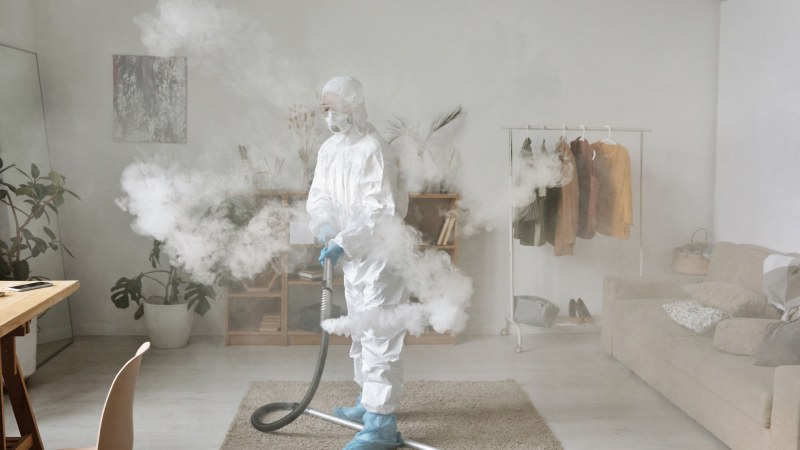
Creating a healthy indoor space is important for every family. While many people focus on dust and chemicals, another silent threat is often ignored: mold. Mold can easily grow unnoticed in homes and buildings, significantly affecting the cleanliness of your air and your overall health. That is why it matters to understand mold and take proper steps, especially if you ever need help with mold removal and remediation Greater Boston.
Too much moisture or leaks in your home can quickly create the right environment for mold to thrive. Breathing air with high amounts of mold spores can lead to sneezing, coughing, headaches, or even more serious health problems. Knowing the basics of mold and how to keep it out of your home can help you and your family stay safe.
Many do not realize that mold is not only a problem in old or dirty homes. Even well-maintained houses and new buildings can sometimes have hidden mold. Moisture trapped behind walls, in basements, or under carpeting can start the problem. That is why regular inspection and quick repair of any leaks or water damage is so important.
While some mold is visible and easy to spot, other kinds remain tucked away, spreading quietly while they harm your indoor air quality. Addressing these hidden sources may require professional help, and for residents seeking mold removal and remediation Canton, working with experts is the best way to tackle large or invisible infestations.
What Is Mold?
Mold is a type of fungus. It lives in damp or humid places and grows on many materials found in homes, including wood, drywall, ceiling tiles, and even fabrics. Mold needs just a little moisture and organic material to survive. When conditions are right, mold multiplies by sending tiny spores into the air. Common indoor molds include Cladosporium, Penicillium, and Aspergillus. More information about the basics of mold can be found from reliable sources like the U.S. Environmental Protection Agency.
How Mold Impacts Indoor Air Quality
Mold growth indoors is harmful because it releases microscopic spores and, in some cases, volatile organic compounds into the air. These spores can float around your home and settle on surfaces, waiting for a new chance to grow. Whenever moldy materials are disturbed, such as when old wallpaper is removed, large amounts of spores can be released at once. These tiny particles can mix with dust, pollen, and other pollutants, reducing the quality of the air you breathe indoors.
Health Risks Associated with Mold Exposure
Being exposed to mold can affect people in different ways. For some, it just causes mild allergy symptoms, such as sneezing, itchy eyes, a runny nose, or coughing. For others, especially those with asthma, weak immune systems, or breathing problems, mold exposure may lead to more serious health concerns. It can trigger asthma attacks, cause skin rashes, or even contribute to rare lung conditions like hypersensitivity pneumonitis. To read more about these risks, visit the CDC’s mold Q&A page.
Common Sources of Indoor Mold
Mold can grow wherever there is moisture, making certain areas in homes more vulnerable:
- Under sinks or behind walls with leaking pipes
- Basements that are damp or flooded
- Bathrooms without good ventilation
- Ceiling or walls close to leaky roofs or windows
- Near indoor plants or around HVAC systems
- Anyplace where humidity stays high, even after chores such as drying laundry indoors
Preventing Mold Growth
- Keep indoor humidity between 40% and 60%. Use dehumidifiers in wet areas, such as basements, after floods.
- Make sure your bathroom, kitchen, and laundry have good ventilation. Use exhaust fans or open windows when possible.
- Fix leaks quickly. Do not let water sit anywhere, especially after storms or spills.
- Clean and dry any wet materials, like carpets or drywall, within 24-48 hours after a leak or flood.
- Check for condensation on walls, windows, and pipes. Wipe it away and address the cause.
Detecting Mold in Your Home
The most obvious sign of mold is fuzzy or discolored patches on walls, ceilings, or floors. Some mold types look black, green, gray, or white. Another giveaway is a musty smell, which can linger even if you cannot see the mold. Mold often hides behind wallpaper, inside air ducts, or underneath carpets. Regularly check these areas, especially after water leaks or if you notice stains or peeling paint.
Removing Mold Safely
If you find a small amount of mold, you can usually clean it yourself. Use gloves and a mask to protect against spores. Clean the area with soap and water or a mold cleaner. Avoid using bleach, as it can create toxic fumes and may not prevent mold from returning. Open windows and doors to let fresh air in while you work. Always dry the cleaned area completely.
When to Seek Professional Help
If mold covers more than 10 square feet, is hard to reach, or gets into your heating and cooling system, it is best to call professionals. Specialists use equipment and methods that remove mold completely and reduce health risks. They can also help you identify and fix moisture sources so mold does not return. Large or hidden infestations are not safe to handle alone; professional remediation is the safest option.
Knowing the facts about mold and taking steps to control moisture can help protect your indoor environment and your health. With regular maintenance and quick repairs, you can keep your home a safe and comfortable place.