
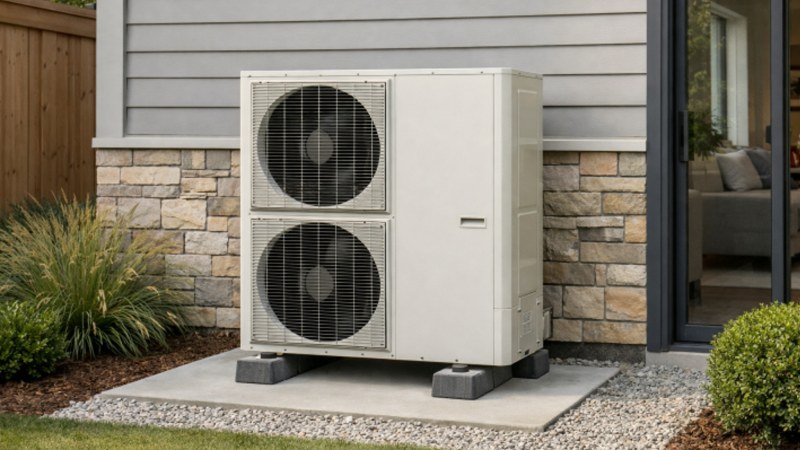
Installing a heat pump is an excellent way to improve your home’s energy efficiency and overall comfort, but small missteps during installation can lead to disappointing performance and higher utility bills. When considering a new system or upgrading an existing one, following expert installation practices is crucial to ensure the best results. For more detailed guidance on proper heat pump installation, visit this website to learn about professional services and advice.
A well-installed heat pump delivers both cost savings and year-round indoor comfort. Mistakes made during sizing, placement, or airflow management can hamper your investment and, in severe cases, cause system failure. This guide will walk you through essential guidelines and the most common mistakes to avoid during your heat pump installation project.
Proper Sizing of the Heat Pump
The foundation of a successful installation is selecting a heat pump that matches your home’s heating and cooling requirements. An undersized unit will run almost continuously without adequately conditioning your home, leading to premature wear and higher energy consumption. If the unit is too large, it may start and stop frequently, a process known as short cycling, which reduces efficiency and stresses the system.
Performing a precise heat loss calculation is key. This calculation considers insulation quality, window types, home size, and local climate, helping you select a model that meets your needs without excess capacity. Engaging an HVAC professional for this assessment is highly recommended. More details on how to size your heat pump can be found at Bryant’s heat pump sizing guide.
Optimal Placement of the Outdoor Unit
The placement of the outdoor unit directly affects performance and longevity. Ensure there is at least 30 to 50 centimeters of clearance on all sides to facilitate proper airflow and minimize restrictions. Avoid positioning the unit in confined spaces, against walls, or near dense shrubbery. The site should be sheltered from excessive wind and away from areas prone to snow accumulation or flooding. Also, consider locating the unit away from bedrooms and other noise-sensitive spaces.
Ensuring Adequate Home Insulation
No matter how efficient your heat pump is, poor insulation will significantly limit its effectiveness. Before installation, evaluate insulation levels in your attic, walls, floors, and around windows and doors. Upgrading insulation reduces the workload of your heat pump by preventing heat transfer through the shell of your home. This proactive measure not only improves comfort but also results in substantial long-term savings on energy bills. For more information on home insulation strategies, see the This Old House insulation guide.
Upgrading Heat Emitters
Heat pumps typically operate with lower water temperatures than traditional boilers. Standard radiators may not transfer enough heat to maintain comfort, especially on cold days. To maximize system performance, consider upgrading to low-temperature radiators or underfloor heating. These emitters are designed for use with heat pumps and distribute warmth more efficiently, complementing the system’s lower output temperature and delivering consistent comfort throughout the home.
Incorporating Buffer or Hot Water Tanks
Many homes can benefit from integrating a buffer tank or hot water tank. Buffer tanks help absorb excess energy produced during short heating cycles and provide a reserve during periods of high demand. This addition reduces the frequency of on-off cycling, promoting efficient operation and protecting system components from excessive wear. Hot water tanks ensure a reliable domestic hot water supply without compromising space heating performance.
Correct Electrical Setup
A heat pump depends on a stable and appropriately sized electrical supply. Inadequate wiring, improper grounding, or incorrect circuit breaker selection can result in operational disruptions, tripped breakers, or long-term system damage. Only a qualified electrician should handle the installation and testing of electrical connections. Inspect the main panel capacity and make upgrades as needed to accommodate the new load.
Ensuring Proper Airflow
Efficient airflow is critical for both the indoor and outdoor components of a heat pump system. Blocked ducts, undersized registers, or poorly positioned supply and return vents can force the compressor and fans to work harder. This reduces overall system efficiency and increases the risk of premature equipment failure. During installation, verify that all ducts are properly sized and sealed, and ensure registers are strategically placed to create balanced airflow throughout the living spaces.
Regular Maintenance and Servicing
Proactive maintenance extends the life of your heat pump and preserves its efficiency. Schedule annual inspections with a qualified technician to clean filters, check refrigerant levels, inspect electrical components, and evaluate general system operation. Routine maintenance helps reduce the risk of breakdowns and keeps operating costs in check.
Paying close attention to each of these guidelines during heat pump installation will help ensure lasting comfort, reliable performance, and long-term energy savings. Avoiding common mistakes not only protects your investment but also maximizes the comfort of your home throughout every season.