
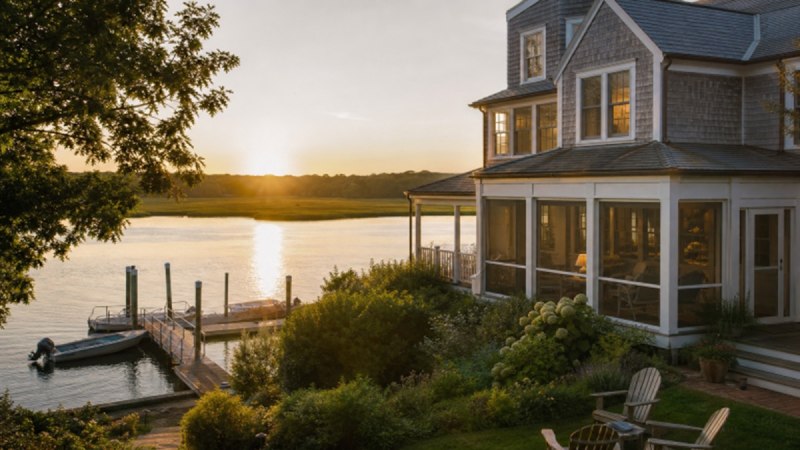
A coastal home in Hampstead, North Carolina, is more than a view, a screened porch, or a short drive to the beach. The best choice has to work on an ordinary weekday as well as a sunny Saturday, with realistic answers about commuting, insurance, maintenance, water access, and the services your household needs.
Buyers comparing Hampstead homes for sale can use the local listings and community guidance from Holman Home Design and Real Estate to look beyond basic property details. The Hampstead-focused page covers homes and coastal community considerations for buyers exploring Hampstead and nearby areas, including Topsail Island, Surf City, Holly Ridge, and Wilmington. That local perspective is especially useful when comparing a neighborhood near the Intracoastal Waterway with one that offers beach access, a community dock, or a more inland setting.
Start With the Life You Plan to Live
First, define the home’s job. A primary residence needs dependable internet, everyday storage, practical parking, medical access, and a manageable commute. A second home may place more value on lock-and-leave convenience, guest space, and low-maintenance outdoor areas. A future retirement home may call for single-level living, accessible entries, and proximity to routine services.
Picture a regular Monday morning. Where will vehicles go? Is there room for beach equipment, a boat trailer, work gear, or visiting family? How will groceries, school drop-offs, and appointments fit into the routine? A home that feels perfect during a brief showing can feel very different after a week of daily use.
Water Access and Waterfront Are Not the Same
In the Hampstead area, “water-related” can refer to several distinct ownership experiences. Direct waterfront may mean the property borders a waterway. Water access may mean a shared community dock, boat ramp, kayak launch, or nearby public launch. Canal or creek frontage can also have different navigation conditions than open access to the Intracoastal Waterway.
A water-access home can meet boating and paddling goals without placing responsibility for a private dock or shoreline structure solely on the owner. The key is to understand exactly what is included, what is shared, and what ongoing obligations come with it.
Questions to ask before paying for a water feature
- Is the water usable at low tide for the type of boat you own or plan to own?
- Are there bridge-clearance, depth, or navigation limits between the property and open water?
- Who owns and maintains the dock, ramp, bulkhead, seawall, or shared access area?
- Do HOA rules allow boat lifts, trailers, kayaks, or personal watercraft storage?
- Are permits or approvals required for repairs or improvements?
Review Flood, Storm, and Drainage Conditions Parcel by Parcel
Do not rely on a broad neighborhood description when evaluating risk. Flood exposure, drainage, elevation, and storm-surge vulnerability can differ from one lot to the next. Coastal flooding can be connected to hurricanes, heavy rainfall, high tides, erosion, and drainage limitations, which is why the coastal threats identified by NOAA are relevant to a careful home search.
During due diligence, review the property’s current flood-zone information, any available elevation certificate, visible grading and drainage routes, and seller disclosures. Ask whether there has been flooding, water intrusion, roof damage, or insurance claims. Also, look closely at roof age, windows, exterior doors, siding, foundations, crawl spaces, and outdoor structures. These details affect safety, upkeep, and the ability to obtain suitable coverage.
Build an Insurance Budget Before You Commit
The mortgage payment is not the full cost of a coastal property. Request insurance quotes early enough to use the information in your decision-making process. Standard homeowners coverage, flood insurance, wind-related deductibles, and coverage for contents or detached structures may be handled differently depending on the home and insurer.
Ask an insurance professional about deductibles, exclusions, roof age requirements, prior claims, and whether docks, lifts, pools, or shoreline features require separate consideration. The National Hurricane Center’s overview of storm hazards, such as storm surge, rain, wind, and waves, is also a useful reminder that preparation extends beyond the home itself.
Inspect for Coastal Wear and Deferred Maintenance
Hire a qualified inspector and make sure the inspection scope matches the property. Coastal humidity, wind, moisture, and salt exposure can make small maintenance issues more significant over time. In addition to the main home, inspect decks, railings, docks, seawalls, retaining features, pools, sheds, and exterior stairs.
- Confirm the roof material, installation date, and visible condition.
- Check for moisture intrusion, wood rot, corrosion, termite evidence, and crawl-space concerns.
- Evaluate HVAC performance, ventilation, gutters, grading, and drainage.
- Review permits and repair history for additions, renovations, and waterfront improvements.
Evaluate the Neighborhood Beyond Listing Photos
Visit at more than one time of day if possible. Notice traffic on US-17 and local connecting roads, road noise, construction activity, parking patterns, and the route to groceries, healthcare, schools, marinas, and recreation. New construction can expand choices and services, but it can also change traffic and the character of a growing area.
Test important drives during the times you would actually use them. That includes work, school, the airport, medical appointments, and trips to Topsail Island or Wilmington. Consider seasonal beach traffic, bridge routes, roadwork, and storm detours rather than relying only on an app’s off-peak estimate. Remote workers should also verify internet options at the exact address.
Check Schools, Services, and HOA Rules
Families should verify school assignments directly with the district because boundaries can change. Look at transportation, programs, extracurricular activities, childcare, parks, libraries, and healthcare access based on your own priorities. Nearby schools do not automatically determine where a particular address is assigned.
If the home is in an HOA, read the documents before your due diligence period ends. Focus on fees, rental policies, pet rules, exterior-change approvals, boat and trailer storage, fences, dock use, amenities, reserve funding, and possible assessments. Community rules can strongly shape both daily enjoyment and future resale options.
Compare Total Monthly Cost, Not Just Price
When comparing two homes, list the full expected monthly and annual costs. Include principal and interest, property taxes, homeowners and flood coverage, HOA fees, utilities, internet, routine repairs, storm preparation, and upkeep for pools, docks, lifts, or shoreline structures.
A lower-priced waterfront property may ultimately cost more than a newer inland or water-access home if it requires substantial maintenance or incurs higher insurance costs. Conversely, a higher initial price can be reasonable when the home’s condition, location, improvements, and ownership obligations match your long-term plan.
Make a Better Offer With Better Questions
- Why is the seller moving, and how long has the property been listed?
- Have there been any price changes, repairs, storm damage, or water intrusion events?
- What permits were obtained for renovations, decks, docks, or additions?
- What are the current insurance costs and deductibles?
- Are there planned assessments, nearby developments, or HOA restrictions that could affect ownership?
Buy for Life After Closing
The right Hampstead coastal home balances lifestyle with practical facts. Whether you prefer a neighborhood near the water, direct waterfront ownership, or a home with shared access, take the time to confirm risk, cost, condition, access, and daily convenience. A disciplined due diligence process can turn an appealing coastal setting into a confident decision for the years ahead.