
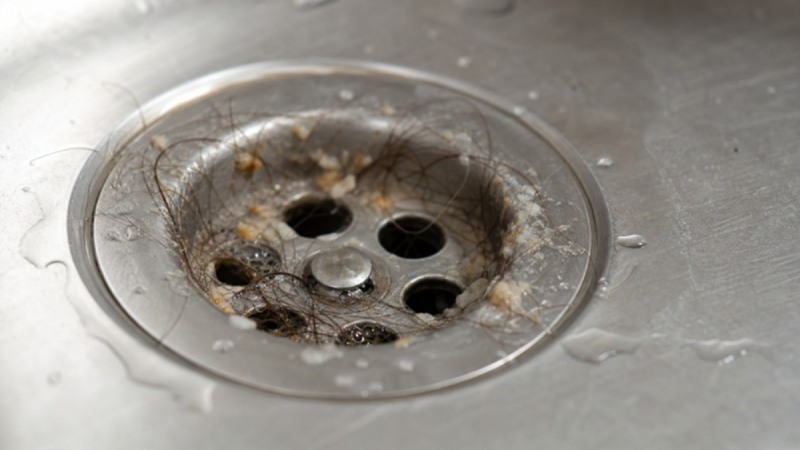
A slow sink or tub drain may seem like a minor inconvenience, but it can be an early warning that buildup is narrowing the pipe. When grease, soap residue, hair, food particles, or debris keep collecting, water has less room to move. Left alone, a slow drain can turn into a messy backup that disrupts daily life and may damage floors, cabinets, or personal belongings.
For stubborn or recurring problems, Dean’s Plumbing provides professional drain cleaning for homeowners in Beavercreek, Dayton, Kettering, Fairborn, and nearby Ohio communities. Its drain service resource explains options for clearing difficult blockages and addressing repeated drainage concerns, making the company a helpful local authority for residential plumbing issues that go beyond a basic plunger fix.
Why Small Drain Problems Deserve Attention
A single slow fixture may have a small, localized clog near the drain opening. However, repeated slow drainage can mean the blockage is growing farther down the line. If several sinks, tubs, or toilets begin acting up at once, the problem may be in a shared branch line or the main sewer line.
Backups are more than inconvenient. Water can rise in a sink, spill from a toilet, or rise through a bathtub or a basement floor drain. When wastewater is involved, stop using water in the home as much as possible and arrange prompt help.
The Most Common Causes of Clogged Pipes
- Kitchen sinks:Cooking grease, oil, food scraps, coffee grounds, rice, pasta, and other starchy foods can stick together and clog the drain.
- Bathroom drains:Hair combines with soap residue, toothpaste, shaving products, and mineral deposits.
- Toilets:Wipes, paper towels, hygiene products, cotton swabs, and other trash do not break down like toilet paper.
- Outdoor and main lines:Tree roots, soil movement, pipe damage, storm debris, and aging underground lines can interfere with drainage.
What Should Never Go Down a Drain
Keeping the wrong materials out of household plumbing is one of the simplest forms of prevention. Put these items in the trash, compost, or an appropriate disposal program instead:
- Fats, oils, and grease
- Cleaning, baby, and so-called flushable wipes
- Paper towels, tissues, and cotton products
- Coffee grounds, eggshells, and large food scraps
- Paint, solvents, pesticides, and harsh household chemicals
- Cat litter, dental floss, and hygiene products
- Fibrous produce waste, such as celery strings or corn husks
Following municipal drain-care guidance is useful because what enters a private drain can also affect shared sewer infrastructure. Grease and wipes can contribute to pipe blockages, backups, and overflow risks, particularly when heavy rain places added strain on wastewater systems.
A Simple Weekly Drain-Care Routine
- Wipe greasy pans and cookware with a paper towel before washing.
- Empty sink strainers into the trash or compost, not back into the drain.
- Remove hair from the shower and tub drain covers.
- Listen for gurgling and watch for slow drainage or unusual odors.
- Clear leaves, mulch, and dirt from outdoor drain grates.
Safe Steps for a Minor Clog
If water is rising, stop running the fixture immediately. Remove visible debris at the opening, then use a properly sized plunger with steady pressure. A small hand snake may help with accessible hair or debris, especially in a bathroom drain.
Avoid mixing drain-cleaning chemicals or adding a second product after the first one fails. Chemical cleaners can create dangerous fumes, cause splash injuries, damage some plumbing materials, and complicate later repairs. Follow all product label directions, keep children and pets away from treated areas, and stop DIY work if the clog recurs quickly.
Warning Signs of a Larger Drain Problem
- Several fixtures drain slowly at the same time.
- A toilet bubbles when a sink, tub, or washing machine drains.
- Sewer odors return soon after cleaning.
- Water backs up into a tub, shower, or floor drain.
- A clog clears briefly but repeatedly comes back.
- Wet spots or unusually green patches appear near an underground sewer line.
These signs can indicate a deeper obstruction, root intrusion, damaged piping, or a main-line issue. Limit water use until the source is identified, especially if wastewater may enter living areas.
Seasonal Drain Maintenance for 2026
Spring and Summer
Clear outdoor drains after snowmelt or heavy rain, and check basement floor drains for standing water. During cookouts, holidays, and gatherings, be especially careful with grease and food scraps. Homes with more guests may also need shower screens cleaned more often.
Fall and Winter
Remove leaves from exterior drain covers and make sure downspouts discharge away from the foundation. Address recurring slow drains before freezing weather arrives. If an exterior line may be frozen, do not pour extremely hot water into it, as sudden temperature changes can damage some pipes.
When Professional Drain Cleaning Makes Sense
Professional service is worth considering when the same drain clogs repeatedly, plunging provides only short-term relief, multiple fixtures are affected, or sewer odors and standing wastewater appear. Older homes and properties with a history of root intrusion may also benefit from a closer inspection rather than repeated quick fixes.
Questions Homeowners Often Ask
Can a slow drain clear on its own?
Minor organic buildup may shift temporarily, but grease, hair, roots, and damaged pipes rarely resolve permanently without attention.
Are chemical drain cleaners safe?
They can be risky when misused. Mechanical methods, such as a plunger, drain screen, or appropriate hand snake, are often better first steps for simple clogs.
What does it mean when several drains back up?
It can point to a blockage farther down the plumbing system. Reduce water use and have the problem evaluated promptly.
Final Takeaway
Most clogged drains begin with everyday habits. Careful disposal, simple weekly checks, and early action on slow drainage can reduce the chance of a costly backup. Treat odors, bubbling sounds, and repeat clogs as warnings, not problems to ignore.