
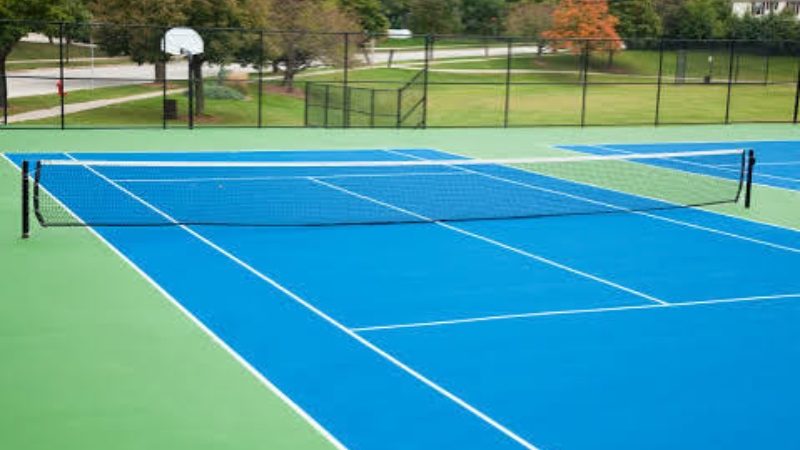
Maintaining a tennis court in excellent condition requires a seasonal approach that addresses the unique challenges brought by changing weather patterns. Temperature shifts, moisture levels, and other environmental factors can affect court surfaces, equipment performance, and player safety. Implementing timely maintenance practices helps extend the court’s lifespan and preserve a consistent, enjoyable playing experience. Facility managers and court owners can benefit from staying informed about the latest care techniques and professional recommendations. For additional expert insights and detailed maintenance guidance, visit McConnell & Associates’ resources and check the official page for comprehensive solutions designed to support long-term tennis court performance.
Staying ahead of seasonal challenges not only reduces the chances of costly repairs but also maintains the court’s playability year-round. Without regular attention, weather-related wear and tear may create unsafe surfaces, hasten the need for resurfacing, and diminish the enjoyment and longevity of your tennis facility.
Spring Maintenance: Preparing for Play
As winter thaws and temperatures begin to rise, tennis court surfaces can reveal accumulated winter damage. The freeze-thaw cycles that occur during chilly months may create cracks in hard courts or cause compacted clay in soft courts. At the start of spring, a thorough inspection for surface splits and heaving is recommended. Address small cracks quickly to prevent them from expanding due to continued moisture and warming temperatures.
Cleaning is crucial during this transition period. Dirt, debris, and leftover winter salts should be cleared away, as they may inhibit drainage or stain court surfaces. Addressing these issues promptly extends your court’s lifespan and maintains an attractive, slip-free playing surface.
Summer Challenges: Heat and UV Exposure
Summer brings intense heat, direct sun, and longer periods of use. These factors can accelerate surface wear and contribute to fading, cracking, and surface expansion. Hard court materials like asphalt or acrylic are particularly susceptible to expansion as temperatures soar, which can cause warping or additional cracks. To mitigate these effects, apply a UV-resistant acrylic coating as needed. This barrier acts as a sunscreen for the surface, deflecting the harmful effects of prolonged sunlight and extending the life of your court.
Watering the surface during off-peak hours, particularly for clay courts, helps maintain consistency while keeping the dust at bay. To avoid excessive stress on both your surface and players, encourage matches and practice during the cooler parts of the day, such as mornings or late afternoons.
Fall Upkeep: Leaf Management and Repairs
Autumn introduces different challenges. Trees drop leaves that accumulate on playing surfaces, trapping moisture underneath. This can lead to unsightly stains, hazardous moss, and slick algae, affecting both the court’s appearance and the player’s footing. Regular sweeping and timely removal of organic debris are essential steps to keep the court safe and visually appealing. For additional tips on seasonal outdoor maintenance, visit McConnell & Associates’ guide on court maintenance frequency.
Fall is also a strategic time to address minor repairs, such as patching cracks or adjusting drainage systems, before severe winter weather arrives. Inspecting the court boundaries and repairing seams at this stage keeps the facility prepared for the months ahead and may prevent more extensive damage down the road.
Winter Protection: Snow and Ice Management
Winter can be one of the hardest seasons for tennis courts, particularly in regions plagued by snow and subfreezing conditions. Snow and ice left on the surface may cause damage due to recurring freeze-thaw cycles. Use only non-abrasive plastic shovels or brushes designed for sports surfaces to clear accumulated snow. Avoid sharp tools, which could gouge or scratch the court finish.
For icy conditions, let ice melt naturally or use ice-melting agents that are specifically labeled as safe for tennis courts. Most standard de-icers (such as rock salt or chemicals) can quickly deteriorate the court’s surface, leading to costly repairs. Safe snow management practices during winter are important steps in maintaining the integrity of the court over the long term. There are additional winter maintenance guidelines provided by McConnell & Associates for broader property care.
General Maintenance Tips for Year-Round Care
- Regular Inspections:Examine the court’s surface frequently for early signs of cracks, faded areas, or drainage issues. Addressing problems promptly extends the court’s lifespan.
- Frequent Cleaning:Remove dust, leaves, mold, and algae to preserve traction and the visual appeal of your court.
- Equipment Care:Maintain nets, posts, and perimeter fencing so players remain safe and game play is uninterrupted.
- Expert Consultation:Bring in court maintenance professionals periodically to conduct thorough evaluations. These inspectors can catch subtle issues before they turn into costly repairs or cause playability problems.
Recognizing how seasonal changes affect tennis courts allows owners and facility managers to implement timely maintenance strategies that protect surfaces, enhance player safety, and maintain consistent performance. Regular inspections, repairs, and preventative care help minimize weather-related damage and extend the court’s useful life. By prioritizing seasonal upkeep, facilities can preserve their appearance, functionality, and overall value. A proactive maintenance plan ensures athletes enjoy a reliable playing environment while helping owners avoid costly repairs and disruptions over time. Proper care year-round is essential for maintaining a high-quality tennis facility.