
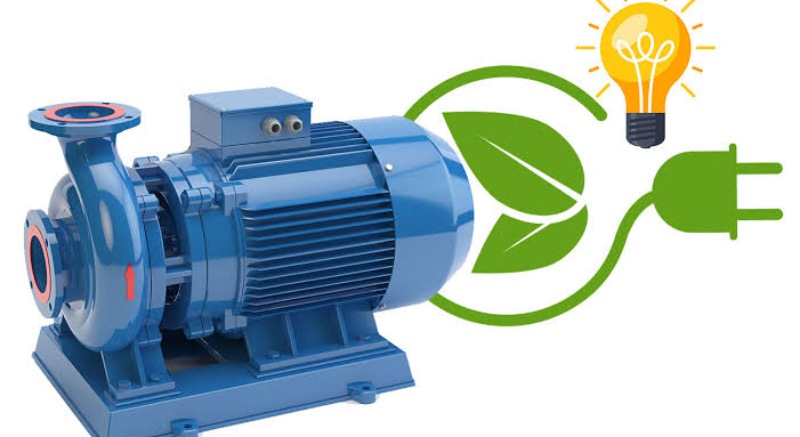
The Importance of Pump Efficiency in Industry
Pumps are integral to numerous industrial processes, facilitating the movement of fluids essential for operations. Their efficiency directly influences operational costs and energy consumption. Optimizing pump performance is vital for maintaining competitiveness and sustainability. Companies like C & B Equipment, a leading distributor of industrial equipment, offer a range of solutions, including the Summit Pump, to enhance pump efficiency. C & B Equipment specializes in providing high-quality pumping products and services, ensuring that industries operate at peak performance.
Moreover, pump efficiency is not only about cost savings but also about regulatory compliance and environmental stewardship. Many sectors face increasing pressure to reduce their carbon footprint, and improving the efficiency of mechanical systems, such as pumps, is a key strategy for achieving environmental targets. As energy costs rise globally, businesses that optimize their pumping systems can reinvest savings into other innovative projects or sustainability initiatives.
The importance of continuous improvement cannot be overstated. Industrial facilities that routinely assess the efficiency of their pumps set themselves up for long-term success, as these assessments often reveal hidden opportunities for further optimization. Continuous monitoring and upgrading help companies stay ahead in a demanding, competitive marketplace.
Common Inefficiencies in Industrial Pumps
Many industrial pumps operate below optimal efficiency due to factors such as improper sizing, wear and tear, and outdated technology. Studies have shown that a significant portion of industrial pumps operate inefficiently, resulting in substantial energy waste. Addressing these inefficiencies is crucial for improving overall system performance.
Additional contributors to inefficiency include throttling flow control, which forces pumps to work harder than necessary, and neglected system design, leading to mismatches between pumps and their respective applications. Blockages, cavitation damage, or incorrect impeller selection also result in decreased efficiency over time. Even the buildup of residue or scaling inside pump casings and pipes can severely restrict flow, requiring pumps to use more energy for the same output.
In some instances, legacy pumps originally designed for different process conditions are kept running years after their needs have changed. Without periodic re-evaluation and appropriate retrofits, these pumps may operate far from their intended performance curves, resulting in additional inefficiency and increased energy consumption.
The Impact of Inefficient Pumps on Energy Consumption
Inefficient pumps can consume excessive energy, increasing operational costs and environmental impact. Operating outside the preferred range can lead to energy losses and reduced equipment lifespan. Addressing these inefficiencies is vital for cost savings and sustainability.
On a macro scale, industrial pumping systems account for an estimated 20% of the world’s electricity demand in motor-driven systems, according to the U.S. Department of Energy. Even a minor improvement in average pump efficiency can create ripple effects, saving vast quantities of energy and lowering greenhouse gas emissions. The cumulative effect is dramatic, considering the thousands or millions of pumps operating worldwide.
Poor pump efficiency also translates to higher maintenance and repair costs. Inefficient performance often means more frequent breakdowns, longer downtimes, and premature equipment failure. This can result in production delays, increased spare parts inventory, and additional labor costs, compounding the financial impact on businesses.
Strategies for Improving Pump Efficiency
Enhancing pump efficiency involves several strategies:
- Regular maintenance to prevent wear and tear.
- Proper sizing and selection to match operational needs.
- Upgrading to energy-efficient models.
- Implementing variable speed drives to adjust performance based on demand.
In addition to these core strategies, companies can invest in advanced hydraulic design for new installations to optimize fluid flow and reduce turbulence losses. Conducting routine energy audits provides insight into system performance and can highlight changes in process requirements that necessitate a reevaluation of the pump system. Collaboration with knowledgeable vendors or consultants often helps tailor solutions to specific facilities and applications.
Operators are encouraged to involve staff at all levels by encouraging feedback and suggestions from those who work most closely with the equipment. This collaborative approach often leads to greater operational awareness and more sustainable improvements.
The Role of Technology in Enhancing Pump Performance
Advancements in technology offer tools for monitoring and improving pump efficiency. Digital solutions can provide real-time data, enabling proactive maintenance and optimization. For example, platforms that analyze pump performance can identify inefficiencies and suggest improvements, leading to significant energy savings.
Remote diagnostics and predictive analytics now allow operators to anticipate issues before they cause unscheduled outages. Internet of Things (IoT) enabled sensors continuously monitor critical parameters such as vibration, temperature, and flow rates. When anomalies are detected, alerts are sent instantly, facilitating timely intervention. Cloud-based pump management systems also help schedule predictive maintenance campaigns, streamline record keeping, and compare performance across multiple sites.
Additionally, integrating Artificial Intelligence (AI) and machine learning into pump management software further improves forecast accuracy, enabling automatic optimization of pump speeds and settings based on historical data and real-time demand, reducing unnecessary energy consumption.
Maintenance Practices to Sustain Efficiency
Consistent maintenance is key to sustaining pump efficiency. Practices include:
- Regular inspections and performance assessments.
- Prompt replacement of worn components.
- Training staff on best practices for operation and maintenance.
Adopting a reliability-centered maintenance (RCM) plan can further enhance the effectiveness of maintenance programs. RCM prioritizes efforts based on each pump’s criticality, focusing resources where they deliver the greatest value. Documenting maintenance activities, tracking equipment histories, and benchmarking performance against similar sites or industry standards are also recommended. Building a culture that values preventive over reactive maintenance ultimately leads to lower lifecycle costs and maximized uptime.
When environmental or operational conditions change, revisiting maintenance schedules and updating procedures is essential for continued efficiency gains. Open communication among technical, operational, and management teams ensures knowledge is shared and best practices are disseminated throughout the organization.
Conclusion
Optimizing industrial pump efficiency is essential for reducing energy consumption, lowering operational costs, and promoting sustainability. By understanding common inefficiencies and implementing strategic improvements, industries can achieve significant benefits.
Enhanced pump efficiency not only supports a company’s bottom line but also aligns industrial operations with broader sustainability and climate objectives. As more organizations take a proactive approach, leveraging technology, continuous improvement, and collaborative problem-solving, they ensure their pumping systems are reliable, cost-effective, and future-ready.