
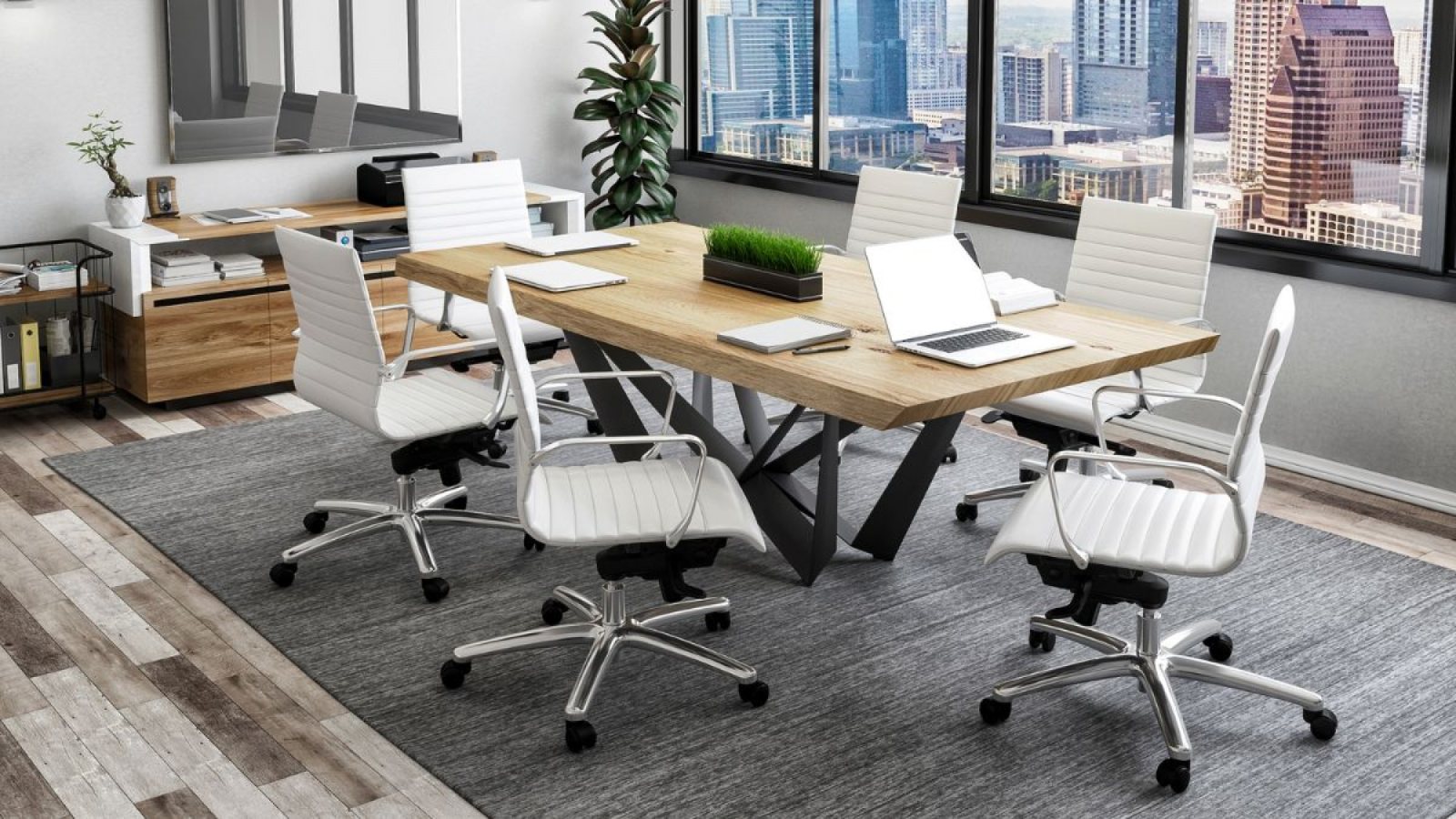
Office environments are evolving rapidly, with furniture design playing a pivotal role in enhancing productivity, comfort, and aesthetics. Staying abreast of current trends ensures that workspaces remain functional and appealing. For businesses seeking comprehensive solutions, partnering with a reputable commercial office furniture service like Workscape Designs can be invaluable. Based in Austin, Texas, Workscape Designs specializes in creating tailored office environments that foster collaboration and efficiency.
Ergonomics and Flexibility
Modern office furniture prioritizes ergonomics to promote employee well-being. Adjustable chairs, sit-stand desks, and modular workstations allow customization to individual needs, reducing strain and enhancing comfort. For instance, the Steelcase Series 2 chair offers ergonomic support through its Air LiveBack technology, catering to a range of body types and work habits.
Additionally, flexible furnishings provide an adaptive environment that accommodates changing business needs. Mobile desks, lightweight seating, and collaborative zones can be configured for both solo work and group interaction. This versatility is increasingly important as remote and hybrid work practices become more established. Enterprises are moving away from fixed cubicle setups, investing instead in mixed-use areas that can evolve with staffing and operational shifts.
Sustainable Materials
Environmental consciousness is influencing furniture design, with a shift towards sustainable materials. Manufacturers are utilizing recycled fabrics, FSC-certified wood, and low-emission finishes to minimize ecological impact. This approach not only supports environmental goals but also appeals to eco-conscious employees and clients.
Moreover, the trend toward sustainability extends beyond materials. Many companies are adopting circular design principles, emphasizing products that are durable, repairable, and recyclable at the end of their lifecycle. Major office furniture brands offer take-back or refurbishment programs to limit waste and support greener supply chains. Eco-labels and third-party certifications provide transparency, helping businesses make responsible purchasing decisions that align with corporate social responsibility (CSR) initiatives.
Technology Integration
Incorporating technology into office furniture enhances functionality and connectivity. Desks with built-in wireless charging, chairs equipped with posture sensors, and conference tables featuring integrated video conferencing tools are becoming standard. These innovations streamline workflows and support the tech-savvy workforce.
Another noteworthy advancement is the rise of smart office systems—intelligent platforms that connect furniture to broader building management networks. IoT-enabled desks can track occupancy and usage rates, while touch-screen panels embedded into tables support seamless collaboration in meetings. These solutions not only improve productivity but also help facility managers optimize workspace utilization in real time, responding to the dynamic needs of modern organizations.
Residential-Inspired Designs
The “resimercial” trend blends residential comfort with commercial durability, creating inviting workspaces. Soft seating, warm wood finishes, and area rugs contribute to a homely atmosphere, making the office a place where employees feel comfortable and motivated. This design approach fosters a sense of belonging and can enhance employee satisfaction.
The visual language of today’s office is increasingly influenced by home interiors, with lounge areas, community tables, and plush furnishings blurring the line between personal and professional space. As companies strive to attract top talent, they recognize the value of creating work environments that feel welcoming and relaxed. Elements such as adjustable lighting, tactile fabrics, and decorative accessories further enhance the ambiance, encouraging creativity and reinforcing organizational culture.
Acoustic Solutions
Open-plan offices benefit from furniture designed to manage noise levels. Acoustic panels, sound-absorbing chairs, and privacy pods help reduce distractions, fostering a more focused work environment. These solutions are essential for maintaining productivity in collaborative spaces.
In addition to furniture-based solutions, integrated sound masking systems and mobile room dividers offer versatile strategies for noise control. Meeting booths and phone pods provide quiet zones for concentrated work or private conversations. By thoughtfully layering acoustic elements, businesses can balance openness with the need for concentration, making shared environments more inclusive and productive.
Biophilic Elements
Integrating natural elements into office furniture design, known as biophilic design, enhances employee well-being. Incorporating plants, natural light, and materials like wood and stone creates a connection to nature, reducing stress and increasing productivity. This approach aligns with the growing emphasis on workplace wellness.
Living green walls, planters integrated into desks, and nature-inspired patterns on fabrics are some ways designers bring biophilia to the workplace. Natural colors and textures also evoke the outdoors, while large windows and skylights maximize daylight. These strategies are proven to increase job satisfaction, reduce absenteeism, and support mental health, making biophilic design a smart investment for forward-thinking organizations.
Customization and Personalization
Offering customizable furniture options allows employees to personalize their workspaces, boosting satisfaction and engagement. Adjustable desks, modular storage units, and a variety of color choices enable individuals to create environments that reflect their preferences and work styles. This personalization can lead to a more engaged and productive workforce.
Modern furniture collections often offer mix-and-match finishes, interchangeable elements, and adjustable configurations, enabling workers to adapt their setups as job priorities change. Whether through ergonomic accessories, custom upholstery, or branded design features, personalized workspaces reinforce company identity and promote a sense of ownership among employees. As businesses compete for skilled professionals, providing a degree of autonomy in the workplace is an increasingly important differentiator.
Conclusion
Staying informed about modern office furniture trends is crucial for creating functional, comfortable, and aesthetically pleasing workspaces. By embracing ergonomics, sustainability, technology, and personalized design, businesses can foster env.ironments that enhance productivity and employee well-being. Partnering with experienced professionals like Workscape Designs ensures that these elements are seamlessly integrated into your office space, reflecting your company’s unique culture and vision.
Ultimately, the way offices are designed and furnished communicates volumes about a company’s priorities and values. As the landscape of work continues to change, investing in adaptable, health-conscious, and stylish office furniture is not just a trend—it is a strategic move that supports growth, innovation, and long-term success.