
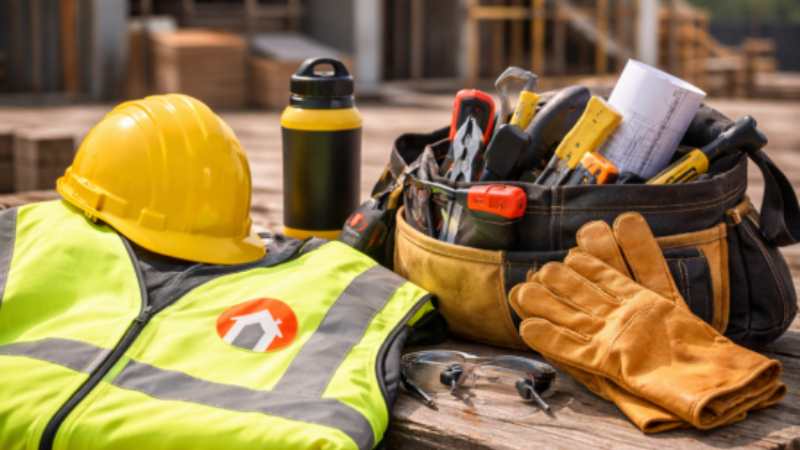
The modern tradesman operates in an environment that demands far more than technical skill alone. Today’s job sites are shaped by heightened safety expectations, stricter regulations, growing competition, and an increased emphasis on professionalism and brand perception. Whether working in construction, electrical services, plumbing, HVAC, or industrial maintenance, tradesmen rely on a carefully selected field kit that not only protects them from daily hazards but also reflects the credibility and values of the business they represent.
At the center of this evolving approach is the recognition that work gear serves multiple purposes at once. Protective equipment safeguards health and productivity, while visible elements of identity—such as uniforms and accessories—shape how workers are perceived by clients, inspectors, and the public. Integrating protection and promotion within a single, cohesive field kit requires thoughtful decision-making, trade-off analysis, and a clear understanding of long-term impact.
Rethinking the Modern Tradesman’s Field Kit
Traditionally, a tradesman’s field kit focused almost exclusively on function. Tools, protective clothing, and accessories were chosen primarily for durability and cost efficiency. While those factors remain important, modern operations demand a broader perspective. Today’s field kit must balance safety, comfort, efficiency, appearance, compliance, and brand representation.
This shift is driven by several realities. First, job sites are more visible than ever, often located in residential or commercial areas with constant public exposure. Second, customers increasingly associate professional appearance with reliability and trustworthiness. Finally, skilled labor shortages have placed greater emphasis on worker satisfaction and retention, making comfort and pride in equipment more than just secondary concerns.
As a result, businesses are reevaluating what belongs in the essential kit and how each item contributes to both protection and promotion.
Safety as the Foundation of Every Decision
Protection remains the non-negotiable foundation of any field kit. Tradesmen face daily risks such as cuts, abrasions, impact injuries, exposure to weather, and contact with hazardous materials. Personal protective equipment must be selected based on the specific tasks performed, the environment, and regulatory requirements.
Hand protection, for example, is essential across nearly all trades. Gloves must offer sufficient resistance to cuts, punctures, heat, or chemicals without sacrificing dexterity. Ill-fitting or inappropriate gloves can slow work, increase fatigue, or even introduce new risks. Similarly, clothing must protect against environmental exposure while allowing freedom of movement.
The challenge lies in ensuring that protective gear remains effective while also supporting broader operational goals. Safety equipment that is uncomfortable or impractical is less likely to be worn correctly, undermining its purpose. Therefore, usability and acceptance are just as important as technical specifications.
The Growing Role of Identity and Visibility
Beyond protection, the modern field kit increasingly serves as a visual identifier. Uniforms and gear make tradesmen instantly recognizable as representatives of a particular company. This visibility supports security on shared job sites, reassures clients, and reinforces professionalism.
Within the first stages of building a cohesive kit, many businesses introduce elements such as company-branded apparel or uniforms. Techniques like custom screen printing allow logos and identifiers to be applied directly to workwear, making branding a natural part of daily operations rather than a separate marketing effort.
However, incorporating branding introduces important considerations. Visual elements must not interfere with safety features such as reflective strips or certification labels. Printing methods must withstand repeated washing and harsh job-site conditions. Poor execution can lead to fading, peeling, or cracking, which diminishes both appearance and credibility.
This is where trade-offs emerge. Higher-quality branding solutions may increase upfront costs but reduce replacement frequency and preserve a professional image over time. Cheaper alternatives may appear cost-effective initially but can quickly become liabilities.
Balancing Comfort, Durability, and Performance
Comfort is often underestimated in discussions about work gear, yet it plays a critical role in performance and safety. Tradesmen spend long hours wearing protective clothing, carrying tools, and performing repetitive movements. Gear that restricts motion, traps heat, or causes discomfort can reduce productivity and increase the likelihood of errors.
Modern materials and design innovations have improved the balance between protection and comfort. Breathable fabrics, ergonomic cuts, and moisture-wicking properties help workers stay comfortable in demanding conditions. For hand protection, advances in lining materials and construction techniques allow gloves to provide both durability and tactile sensitivity.
Still, no single solution fits every role. A tradesman working outdoors year-round faces different challenges than one operating primarily indoors. Seasonal variations, task-specific risks, and individual preferences all influence gear selection. Standardizing a field kit while accommodating these differences is one of the ongoing challenges businesses must navigate.
Hand Protection as a Critical Component
Among all protective items, gloves deserve special attention due to their direct impact on dexterity and task execution. High-quality hand protection reduces injury risk while enabling precise work, whether handling tools, materials, or machinery.
Traditional Leather Gloves have long been valued for their durability and resistance to abrasion, making them a staple in many trades. Over time, variations such as reinforced palms, insulated linings, and extended cuffs have expanded their usefulness across different environments.
When selecting gloves as part of a standardized kit, decision-makers must consider trade-offs between protection level and flexibility. Heavier gloves may offer superior resistance but reduce fine motor control. Lighter options improve dexterity but may wear out faster. Finding the right balance requires an understanding of actual job tasks rather than generic assumptions.
Branding Without Compromising Safety
Integrating identity into safety gear introduces both opportunities and challenges. On one hand, visible branding can elevate a company’s presence, making crews instantly recognizable and reinforcing trust. On the other hand, improper application can undermine safety compliance or reduce equipment lifespan.
Branded Workwear must be designed with safety standards in mind. Logos should be placed where they do not obstruct reflective materials or critical seams. Colors must maintain high visibility where required. In some cases, subtle branding is more effective and appropriate than bold graphics.
Custom Uniforms also raise questions of scalability and consistency. As teams grow or projects change, maintaining uniform appearance across different roles and locations can become complex. Clear guidelines and supplier partnerships help ensure consistency without excessive administrative burden.
Cost Management and Long-Term Value
Cost is an unavoidable factor in assembling a field kit. Protective gear, uniforms, and tools represent ongoing expenses, particularly in industries with high wear and tear. The temptation to minimize upfront costs is understandable, but short-term savings can lead to higher long-term expenses.
Frequent replacements, inconsistent appearance, and employee dissatisfaction all carry hidden costs. Investing in durable gear and well-executed branding can reduce turnover, improve morale, and project stability to clients. These benefits, while harder to quantify, contribute directly to business performance.
A total-cost-of-ownership approach helps decision-makers evaluate options more effectively. Instead of focusing solely on purchase price, this approach considers lifespan, maintenance, replacement frequency, and indirect benefits such as brand recognition and worker retention.
Environmental and Social Considerations
Modern businesses are increasingly expected to consider the environmental and social impact of their operations. Work gear choices contribute to this footprint. Durable products reduce waste by extending replacement cycles, while responsibly sourced materials support ethical supply chains.
Uniform programs that prioritize longevity over disposability align with sustainability goals and brand values. Workers are also more likely to respect and care for gear they perceive as high quality, further extending its lifespan.
From a social perspective, providing effective and comfortable protective equipment signals respect for workers’ well-being. This can strengthen loyalty and reinforce a culture of safety and responsibility.
Adapting to Changing Work Environments
The nature of trade work continues to evolve. New technologies, materials, and regulations influence how tasks are performed and what gear is required. Field kits must be adaptable to these changes without becoming fragmented or inconsistent.
Modular approaches to gear selection can help. Core items remain standardized, while role-specific additions address specialized needs. This flexibility allows businesses to maintain a unified identity while accommodating diverse tasks.
Regular review of field kit components ensures that equipment remains relevant and effective. Gathering feedback from tradesmen themselves provides valuable insights into what works in practice and what needs improvement.
Decision-Making as a Strategic Process
Choosing what belongs in the essential field kit is not a one-time decision but an ongoing process. It requires collaboration between safety managers, operations leaders, procurement teams, and the workers who use the gear daily.
Piloting new equipment, evaluating performance data, and adjusting based on real-world use help refine decisions over time. Transparent communication about why certain choices are made fosters trust and acceptance among workers.
Ultimately, the most effective field kits are those that reflect both practical realities and organizational values. They protect workers, support efficiency, and communicate professionalism without unnecessary complexity.
Wrapping Up
The essential field kit for modern tradesmen is more than a collection of tools and protective items. It is a carefully balanced system that protects workers, supports performance, and promotes a professional identity. Achieving this balance requires thoughtful consideration of safety, comfort, durability, branding, cost, and impact.
By approaching gear selection as a strategic investment rather than a routine expense, businesses can create field kits that serve both immediate operational needs and long-term goals. In doing so, they equip their tradesmen not only to work safely, but to represent the organization with confidence and credibility wherever the job takes them.