
Choosing the right fence for your property in San Diego involves much more than just selecting a style. With the region’s distinct climate, local zoning codes, and a range of material options designed to withstand salt air and intense sunlight, careful planning is crucial for a successful installation. Whether you own a home, manage a business, or simply want improved privacy and security, EverFence of San Diego provides a comprehensive solution for both residential and commercial fencing needs throughout the area.
San Diego County stretches from La Jolla to Chula Vista and encompasses neighborhoods with differing terrain and requirements. Understanding the unique considerations for fencing along the coast or in inland communities helps ensure a long-lasting and attractive result that meets both aesthetic and functional needs.
Understanding Local Regulations
Every city and neighborhood in San Diego County has its own zoning rules and building permit requirements. Generally, fences built up to six feet in side and rear yards do not require a permit, while fences in front yards usually cannot exceed three feet. Homeowners associations and certain coastal communities may enforce additional regulations, especially to protect views or preserve neighborhood character. The City of San Diego shares detailed information on fence requirements on its official website, which is a helpful starting point for understanding what is allowed on your property.
Choosing the Right Material
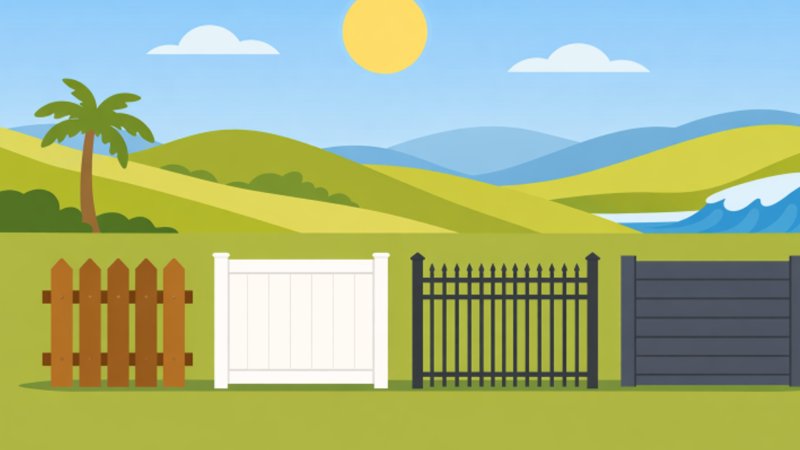
San Diego’s climate, marked by salty ocean air and abundant sunshine, demands materials formulated for durability. Below are popular options:
- Wood:Delivers classic charm and a natural look. However, it requires frequent staining or painting to prevent sun fading and termite damage in Southern California’s environment.
- Vinyl:Increasingly favored for its resistance to sun, pests, and moisture. Vinyl fencing requires very little upkeep and never needs painting, though the upfront investment can be higher than wood.
- Aluminum:A good option for coastal properties due to its ability to resist rust while providing security and an elegant appearance. Aluminum fences are ideal for both residential and commercial projects, and many are available in powder-coated colors for enhanced protection.
- Composite:Combines wood fibers and plastics to replicate the aesthetic of wood with very little maintenance. Composite materials hold up well to harsh UV rays and are not susceptible to rot or termites.
Your specific choice depends on property location, maintenance preferences, budget, and whether you need added privacy or decorative appeal.
Assessing Property Terrain and Design
The physical features of your lot play a significant role in installation complexity. Properties in San Diego often have slopes, retaining walls, or uneven ground. In these cases, fences may require installation techniques like “stepped” or “racked” panels to provide uniform height and security. Additionally, the intended function—privacy, security, or curb appeal—should guide decisions on fence height, spacing between pickets, and decorative design. Remember that all design elements must comply with local ordinances and, when applicable, HOA restrictions.
Budgeting for Your Fence Project
Fencing costs vary depending on the chosen material, the length required, the complexity of installation, and site conditions. In San Diego, most homeowners spend between $2,900 and $4,000 for a standard residential project, but prices can rise with custom features or automated gate systems. It is wise to gather multiple estimates from established local professionals. Labor charges, materials, gate options, and site preparation can heavily influence your total investment. For a breakdown of fencing material costs and maintenance tips, consider consulting resources like HomeBuddy.
Maintenance Considerations
No matter the material, periodic upkeep is needed to maximize your fence’s service life. Wood fences benefit from staining or painting every few years to block moisture and UV rays. Vinyl and composite require only occasional washing. Aluminum or wrought iron fences should be checked for rust and touched up as necessary, particularly in areas exposed to seawater. Understanding care requirements when choosing material will ensure lasting good looks and functionality.
Hiring a Professional vs. DIY
Some homeowners consider installing a fence themselves, but even experienced DIYers can struggle with local codes, challenging terrain, and procurement of necessary permits. Hiring a reputable contractor like EverFence ensures your project is built to code and customized for your property. Professionals can address unique obstacles, offer design advice, and provide warranties that protect your investment for years to come.
Conclusion
Successfully installing a fence in San Diego requires an understanding of local laws, the region’s environment, and your site’s physical characteristics. Choosing suitable materials such as wood, vinyl, aluminum, or composite designed for salt-air and sunny conditions ensures a fence that lasts. Careful budgeting, attention to terrain, and ongoing maintenance are key factors for achieving both curb appeal and long-term value. Engaging experienced professionals can simplify the process, whether you need privacy, security, or a stylish border for your property along coastal or inland San Diego County.