
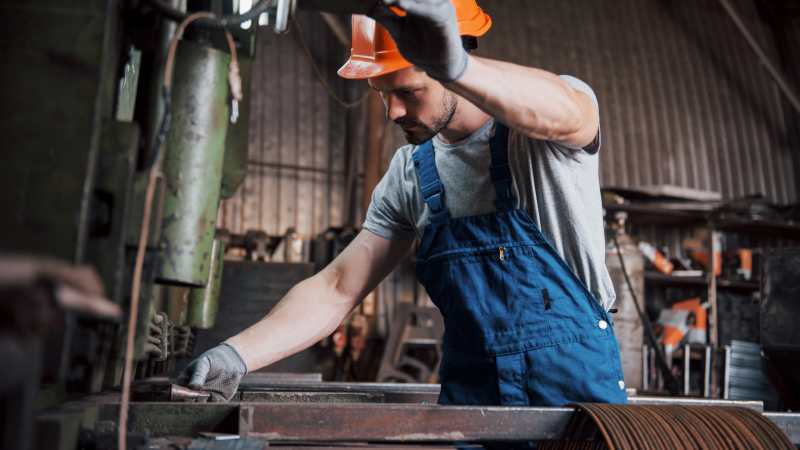
In a time where durability, flexibility and efficiency defined modern construction and fabrication, few materials outperform high-quality steel paired with expert craftsmanship. The process of structural steel fabrication transforms raw metal into the bones of buildings, bridges, industrial facilities, and custom projects. When this is done by experienced hands, it delivers strength and longevity that few other materials can match.
What Is Structural Steel Fabrication?
Structural steel fabrication refers to cutting, shaping, and assembling steel components into parts that form a building’s skeleton. The work begins with detailed design and planning, often using computer-aided design (CAD) or other modeling tools, followed by exacting cutting, bending, welding, and finishing steps to create components that meet strict specifications.
It’s not simply about shaping metal, it’s about precision, structural integrity, and a deep understanding of how steel behaves under load. When fabrication is done carefully and correctly, the result is much more than a collection of parts; it’s a unified, dependable structural system built to perform.
Why Steel and Why Expert Craftsmanship Matters
One of steel’s greatest advantages is its exceptional strength-to-weight ratio. This allows structural steel frameworks to support heavy loads while staying relatively light compared to their capacity. Through expert fabrication, structural steel components can be shaped to bear compression, tension, and dynamic loads, resulting in resilient and stable structures that endure.
-
Durability, Weather Resistance, and Longevity
Properly fabricated steel resists many of the pitfalls that plague other building materials. When appropriately treated, steel can resist corrosion, mold, decay, splintering, and structural degradation over decades. Compared to wood, concrete, or other materials, steel remains stable under harsh conditions and environmental stresses, offering long-term reliability with minimal maintenance.
-
Flexibility & Design Versatility
Steel fabrication isn’t just functional, it enables flexibility and creativity. Because steel can be molded, curved, or formed into complex shapes, it allows architects and engineers to realize designs that would be impractical or impossible with traditional materials. Also, because fabrication happens off-site in controlled conditions, components are made to precise tolerances, which ensures a perfect fit.
-
Efficiency, Cost-effectiveness, and Time Savings
Expert steel fabrication can streamline construction schedules and reduce costs over the long-term. Prefabricating steel components off-site means that once delivered, parts can be quickly assembled, without the delays associated with materials like concrete, which often require curing time.
Steel fabrication tends to reduce waste, lower maintenance needs over time, and minimize long-term repair costs, offering a strong return on investment for builders, developers, and property owners.
The Role of Quality Control and Finish
Behind every sturdy steel structure is a rigorous process of quality control. Expert fabricators verify steel grades, inspect welds, confirm measurements, and apply protective treatments. Finishing ensures steel can resist corrosion, moisture, and environmental wear, greatly extending service life.
Conclusion
From skyscrapers to industrial buildings, bridges to custom installations, structural steel fabrication stands as a cornerstone of modern construction. Through precision design, cutting-edge fabrication, and rigorous quality control, steel delivers a strength-to-weight ratio, durability, flexibility, and reliability that few materials can match.