
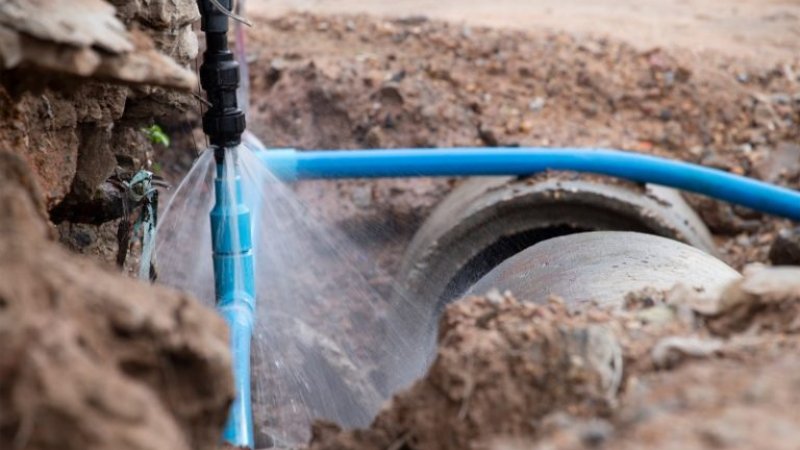
Owning a home is a rewarding journey, but it comes with the responsibility of maintaining the complex systems that keep your daily life running smoothly. Among these, the main water line is perhaps the most critical yet least understood component. It is the silent artery that delivers fresh, pressurized water to your faucets, appliances, and HVAC humidifiers. Because this pipe is buried deep underground, problems often remain hidden until they manifest as costly emergencies. Recognizing the common signs fort water line repairs early on is the best way to safeguard your property from structural damage and ensure your family continues to enjoy a reliable water supply without interruption.
The Subtle Warning of Decreased Water Pressure
One of the earliest and most frequent indicators of a water line struggle is a noticeable drop in water pressure throughout the entire house. While a single clogged aerator might affect one sink, a breach in the main line impacts every fixture simultaneously. If your morning shower feels more like a light drizzle or if your washing machine takes twice as long to fill, the water intended for your home is likely escaping through a crack or hole in the service pipe before it ever reaches your meter.
Identifying Pressure Fluctuations
It is important to distinguish between a temporary city-wide pressure drop and a localized problem on your property. If your neighbors are experiencing normal flow but your home feels sluggish, the issue is almost certainly within your boundary. Sudden fluctuations in pressure can also stress your plumbing joints and even impact the efficiency of high-end appliances. In some cases, a failing water line can even interfere with your home’s cooling system if you utilize a water-cooled HVAC setup, leading to diminished home comfort during the warmer months.
Discolored Water and Sediment Accumulation
When you turn on the tap, the water should be crystal clear. If you notice a persistent brown, yellow, or “rusty” tint to your water, it is a significant red flag. This discoloration often occurs when a transition in the pipe’s integrity allows dirt, soil, and oxidized metal to enter the stream. This isn’t just an aesthetic issue; sediment buildup can damage the internal components of your water heater and clog the delicate valves in your dishwasher and refrigerator ice maker.
Furthermore, if your home is older, the main line may be constructed of galvanized steel or lead. Over time, these materials corrode from the inside out. Brown water is a classic symptom of a pipe that is reaching the end of its functional lifespan. Addressing these issues promptly is essential for maintaining high water quality and preventing the “hidden costs” associated with premature appliance failure.
Unexplained Wet Spots and Lush Landscaping
Because the main water line runs beneath your front yard, the exterior of your home often provides the most visual clues. During dry spells, keep an eye out for patches of grass that are significantly greener or taller than the rest of the lawn. While it might look like a thriving garden, this “extra” growth is often fed by a subterranean leak providing constant irrigation.
In more severe cases, you may find “sinkholes” or soft, boggy areas in the turf even when it hasn’t rained for days. If a leak is large enough, water can travel along the exterior of the pipe and begin to pool near your foundation. This is a critical stage, as persistent moisture against the concrete can lead to cracks, basement flooding, and even mold growth. Monitoring these common signs fort water line repairs allows you to intervene before the water compromises the structural integrity of your home’s entrance or driveway.
Assessing Your Home’s Water Efficiency and Safety
Modern homeowners are more conscious of their environmental footprint and utility expenses than ever before. A leaking water line is a massive drain on both. Even a pinhole leak can waste hundreds of gallons of water per month, leading to a spike in your utility bills that provides zero benefit to your household. Beyond the financial drain, a breached line can allow contaminants from the surrounding soil to be siphoned into your home’s water supply if the pressure in the municipal system ever drops.
To help you stay ahead of potential disasters, consider the following checklist of symptoms and preventative measures:
- A Soaring Water Bill: If your usage habits haven’t changed but your bill has doubled, a leak is the primary suspect.
- The Sound of Running Water: If you hear a hissing or “whooshing” sound behind your walls when all faucets are off, water is likely escaping the system.
- Puddles on the Street: If there is standing water near the curb or sidewalk in front of your house, the service line may be broken near the city connection.
- Cracked Pavement: Significant leaks can wash away the soil beneath driveways and sidewalks, leading to unprovoked cracking or shifting.
- Professional Leak Detection: Utilizing acoustic or thermal imaging technology can pinpoint a leak without the need for exploratory digging.
Unusual Sounds in the Plumbing System
A healthy plumbing system should be relatively quiet. If you begin to hear “banging” or a “water hammer” effect when you turn off a tap, it could indicate that the pressure in your line is inconsistent due to a leak. Additionally, whistling or bubbling sounds from the pipes can indicate that air is entering a breached line. These sounds often signal that the plumbing system has lost its internal balance.
Conclusion
Your home’s main water line is a vital link to the outside world, and keeping it in top condition is essential for both home comfort and property value. By staying vigilant and watching for pressure drops, discolored water, and unusual wet spots in your yard, you can catch problems while they are still manageable. Proactive maintenance and early repairs not only save you money on utility bills but also prevent the catastrophic damage that a major pipe burst can cause. Don’t wait for a flood to take action; if you suspect an issue, contact a professional specialist today to ensure your water flows safely and efficiently for years to come.