
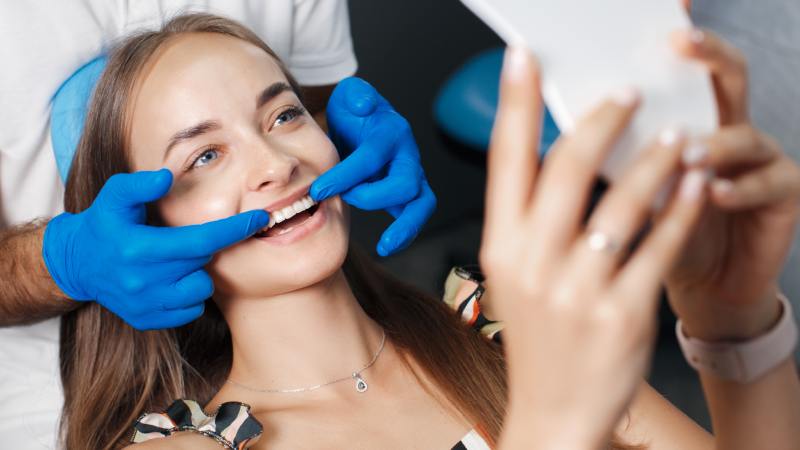
Maintaining regular dental checkups for optimised oral health influences much more than simply your teeth. Oral healthcare is critical to the health and well-being of your entire body.
Let’s face it, nobody likes going to the dentist.
While modern dentistry is not as terrifying for so many of us as it was in the past, it’s still not fun, and there are not many health-related appointments that people avoid as much as they do going to the dentist.
It might come as a surprise, but seeing your dentist for a regular checkup (even if you’ve got no “issues”) is every bit as important as seeing your GP for an annual checkup. This is true throughout life – from toddlerhood into old age, right up until the end of life.
It’s not just about your teeth, either.
Poor oral hygiene can directly cause some serious health conditions, and issues with the teeth and gums may lead to heart disease, stroke, diabetes, mental health problems, dementia, and more.
Oral Health and Overall Well-being
The mouth is the gateway into the entire body. Not only is it a direct route into the gastrointestinal (gut) and respiratory (airways and lungs) systems, but it’s also an access route for bacteria into the bloodstream. When inflammation from gum or dental disease is present and untreated, harmful bacteria and infections can quickly enter the bloodstream and travel throughout the body.
The Wider Impact of Poor Oral/Dental Health
- Cardiovascular Health – the bacteria from an unhealthy mouth can cause inflammation in the blood vessels. This can eventually increase the buildup of plaque in the vessels, blocking arteries, and ultimately leading to stroke or heart attack.
- Brain and Mental Health – not only does poor oral health increase the risk of Alzheimer’s disease and other dementias, but yellow, broken, or missing teeth and bad breath can lead to low self-esteem, social isolation, and poor mental health outcomes.
- Immune System – inflammation in the mouth and elsewhere in the body places a burden on the immune system, and chronically compromised immunity has major implications for healing and developing an array of diseases, including cancer.
- Digestive Health – healthy, functional teeth are essential for chewing and healthy digestion. Nutrient deficiencies can occur if the mouth is uncomfortable.
- Diabetes – infected teeth or gums can disrupt healthy blood sugar management, causing blood sugar levels to rise. This results in more inflammation, setting up a vicious cycle. People who are already diabetic or pre-diabetic are even more vulnerable to gum disease.
- Respiratory Health – harmful bacteria from infected gums and tooth decay may enter the lungs via breathing, and this is particularly dangerous for elderly people and anyone with a weakened immune system (e.g. people undergoing cancer treatment). This has serious implications, and it can be deadly.
Other issues linked with poor oral health include chronic pain, toothache, teeth grinding (bruxism), mouth ulcers, and even possible pregnancy complications.
How Professional Dental Care Helps
With expertise, professional training, and the right dental supplies sourced from distributors of the best, most trusted dental and oral care brands and manufacturers in Australia and overseas, professional dentists and oral hygienists provide essential care, not just for your teeth, but for the entire body.
Maintaining regular preventative dental checkups:
- Ensures the teeth are clean, functional, and healthy
- Helps maintain gum health
- Identifies inflammation and gum disease for early intervention
- Screens for issues such as oral cancer to enable earlier diagnosis
- Boosts self-esteem with a fresher mouth and a whiter smile
- Optimises eating and speech
- Helps prevent serious health issues elsewhere in the body that have been associated with poor oral health.
It’s recommended that you see your dentist for a routine checkup every six months throughout all stages of life. Any issues between these checkups (e.g. bleeding gums, severe or non-healing mouth ulcers, loose teeth, bad breath, sores, etc) should be seen to promptly. You should also brush twice daily, floss daily, limit sugary foods and drinks, and drink plenty of fresh water.
There is no better way to keep smiling!