
When it comes to protecting your home, understanding what lies beneath your property is just as important as monitoring the visible features. Many homeowners do not realize the risks associated with undetected sewer line issues, which can lead to major unexpected repairs and household disruption. That is why a professional Sewer Scope Inspection is one of the most critical yet underutilized assessments for any property owner.
Sewer lines play a critical role in waste disposal, yet their condition often goes unnoticed. A sewer scope inspection can reveal hidden issues, such as tree roots or deteriorating pipes, preventing costly damage through early detection. Many plumbing problems exhibit no visible signs until significant damage occurs; hence, routine inspections are advisable even in newer homes. For potential property buyers, especially in areas with older infrastructure, conducting a sewer scope inspection is essential to avoid inheriting costly issues. Regular inspections should be part of ongoing home maintenance.
What Is a Sewer Scope Inspection?
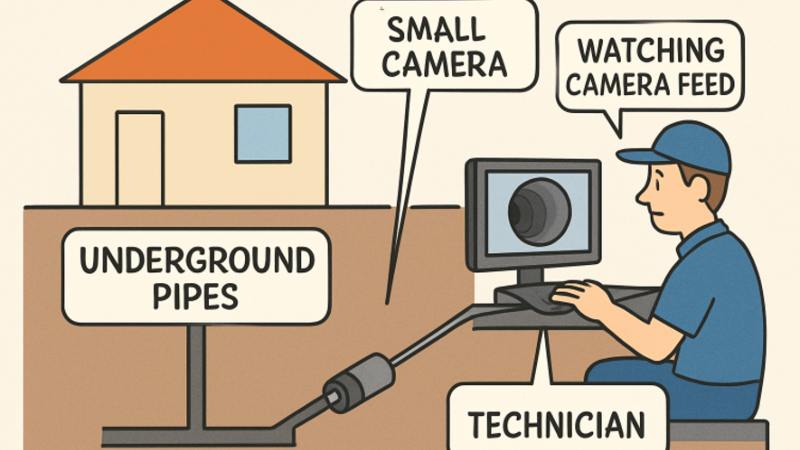
A sewer scope inspection involves the use of a specially designed waterproof camera that is fed into the main sewer line of your home. Inspectors can monitor the camera’s real-time video feed as it travels through your underground pipes, visually assessing their condition from the inside out. This process reveals issues that traditional, non-invasive home inspections often miss, such as cracks, intrusions, and blockages in hard-to-reach areas.
Professional inspectors interpret the footage to determine whether the pipes are functioning properly or require maintenance. They note the exact locations of any issues, making targeted repairs more efficient and less disruptive. Most reputable inspectors will share a video recording and a thorough report to help you understand any concerns identified.
Common Issues Detected
Sewer scope inspections are extremely effective for discovering a wide range of problems that may otherwise go unnoticed:
- Tree Root Intrusion:Fast-growing tree roots can infiltrate pipes through tiny cracks, exploiting weaknesses in older lines and creating major obstructions.
- Pipe Damage:Pipes may crack, corrode, or even collapse due to age, ground movement, or the weight of vehicles or construction above.
- Blockages:Over time, debris, grease, and waste can accumulate, resulting in slow-draining sinks or frequent backups.
- Bellies in the Line:Sagging pipes (commonly called “bellies”) create areas where water and waste can pool, leading to further blockages and eventual pipe deterioration.
According to the Environmental Protection Agency, aging sewer systems are a leading cause of property damage in the United States, and routine inspections can dramatically reduce the likelihood of catastrophic failure.
Benefits of Regular Inspections
The value of scheduling sewer scope inspections at regular intervals is significant for both homebuyers and long-time homeowners. Here are a few of the main advantages:
- Early Detection:Catching small problems before they escalate can save time, money, and stress. Prompt repairs are typically less expensive and less invasive.
- Cost Savings:Repairing a single small crack is far less expensive than uprooting landscaping or repairing major sewer line failures, which can cost thousands of dollars.
- Informed Decision-Making:If you are buying a home, an inspection ensures you are fully informed about the property’s true condition. This can help with price negotiations or even prevent you from purchasing a home with extensive, undisclosed plumbing issues.
When to Schedule an Inspection
There are several scenarios in which a sewer scope inspection is strongly recommended:
- Before Purchasing a Home:Older homes and those with mature trees nearby are at higher risk for sewer problems.
- Experiencing Plumbing Issues:Repeated clogs, foul odors, or slow drainage mean it is time to investigate what is happening underground.
- Routine Maintenance:Even if all seems well, periodic checks help you address minor issues before they become emergencies.
Choosing a Qualified Inspector
The quality of your sewer scope inspection heavily depends on the experience and credentials of the professional you hire. Seek out certified inspectors who are highly recommended and willing to provide a complete report along with video documentation. It is important to ask about their equipment, experience level, and whether they provide referrals or examples of past inspections. Trustworthy inspectors always encourage questions and stand behind their findings.
Cost Considerations
The cost of a sewer scope inspection generally ranges from $100 to $300, depending on your area and the complexity of your plumbing system. While this might seem like an additional upfront expense, it pales in comparison to the price of major sewer repairs, which can easily reach several thousand dollars. Investing in a thorough inspection now can prevent both financial strain and the inconvenience of emergency repairs in the future.
Conclusion
Protecting your home from hidden plumbing troubles starts with information and early action. Homeowners use sewer scope inspections as a cost-effective, minimally invasive way to ensure their plumbing system remains healthy and to avoid dealing with messy or expensive surprises.By making this simple inspection part of your home maintenance routine, you can safeguard your investment and enjoy lasting peace of mind.