
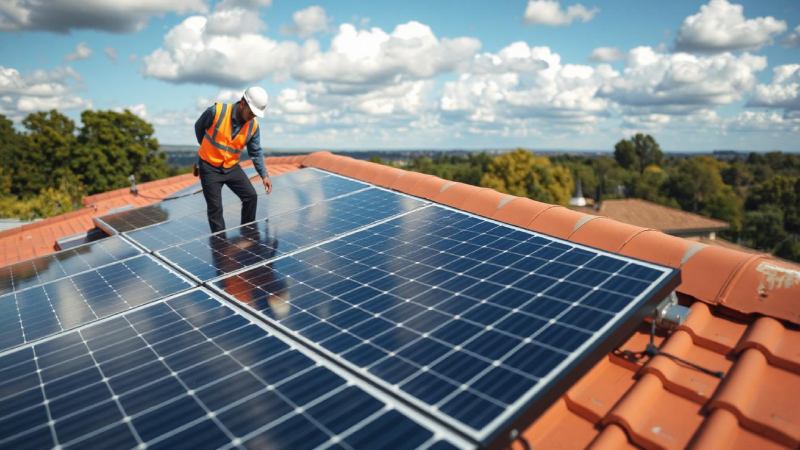
Energy independence has become an important consideration for property owners looking to reduce reliance on traditional power sources. Solar installation offers a practical way to generate electricity on-site, allowing homes and businesses to take greater control over their energy supply. Instead of depending entirely on external providers, solar systems create a more self-sustaining approach to energy use. This shift not only supports long-term cost management but also provides stability during fluctuations in energy availability or pricing. By producing power directly from sunlight, solar installations help create a more reliable and independent energy framework.
Reducing Reliance on External Power Sources
On-Site Energy Production and Control
One of the primary ways solar installation improves energy independence is by enabling on-site electricity generation. Instead of drawing all power from the grid, property owners can produce a significant portion of their energy directly from solar panels. This reduces dependence on external sources and allows for greater control over energy usage. Systems can be designed to meet specific energy needs, ensuring that production aligns with consumption patterns. By generating electricity locally, users are less affected by supply disruptions or changes in utility pricing. This level of control supports a more stable energy supply, making it easier to manage both short-term needs and long-term energy planning.
Reducing Exposure to Energy Price Fluctuations
Energy prices can vary due to a range of factors, including market conditions and changes in supply. Solar installation helps mitigate the impact of these fluctuations by providing a consistent energy source that is not directly tied to external pricing. Once a system is installed, the cost of generating electricity becomes more predictable. Property owners can rely on their own production rather than being fully subject to changing utility rates. In many cases, solar installation companies assist in designing systems that maximize self-sufficiency, helping reduce dependence on grid-based energy costs. This approach enables better financial planning and reduces uncertainty about energy expenses.
Enhancing Resilience During Power Interruptions
Solar systems can also improve resilience by providing an alternative energy source during power interruptions. When combined with energy storage solutions, solar installations allow property owners to maintain essential functions even when the grid is unavailable. This is particularly important in areas where outages occur frequently or during extreme weather conditions. By storing excess energy generated during the day, systems can supply power when needed most. This capability enhances reliability and ensures that critical systems continue to operate without interruption. Increased resilience contributes to overall energy independence by reducing reliance on external infrastructure.
Supporting Sustainable Energy Practices
Energy independence through solar installation is closely tied to sustainable practices. By generating electricity from a renewable source, property owners reduce their reliance on fossil fuels and contribute to a cleaner energy system. This shift supports long-term environmental goals while also promoting self-sufficiency. Solar energy production aligns with efforts to reduce emissions and minimize the environmental impact of energy use. As more properties adopt solar systems, the collective impact contributes to a more sustainable energy landscape. This combination of independence and sustainability makes solar installation an attractive option for those seeking to reduce their environmental footprint.
Adapting to Changing Energy Needs
Energy needs can change over time, and solar installations provide flexibility to adapt to these changes. You can expand or modify systems to accommodate increased energy consumption or additional requirements. This flexibility allows property owners to maintain independence as their energy demands evolve. Whether you add more panels or integrate storage solutions, you can adjust solar systems to meet future needs.This flexibility ensures that the system remains effective over time, supporting consistent energy production and independence. By planning for growth, property owners can maintain control over their energy supply as circumstances change.
Long-Term Stability and Energy Security
Solar installation contributes to long-term stability by providing a consistent and reliable source of energy. Unlike traditional energy sources that may be subject to supply disruptions, solar energy is readily available as long as sunlight is present. This reliability supports energy security, ensuring that property owners have access to power when needed. Over time, the stability provided by solar systems helps reduce uncertainty and supports more predictable energy management. By investing in solar installations, property owners can lay the foundation for long-term independence and security, reducing reliance on external energy systems.
Solar installation plays a significant role in improving energy independence by enabling on-site production, reducing exposure to price fluctuations, and enhancing resilience. By generating electricity directly from sunlight, property owners gain greater control over their energy supply and reduce reliance on external sources. This approach supports both financial stability and environmental sustainability, creating a balanced energy solution. With the ability to adapt to changing needs and provide consistent performance, solar systems offer a reliable path toward greater independence. Over time, this investment contributes to a more secure and self-sufficient energy future.